

Seaport blockade could cost Ukraine’s agricultural sector $4.6 bln in export revenue
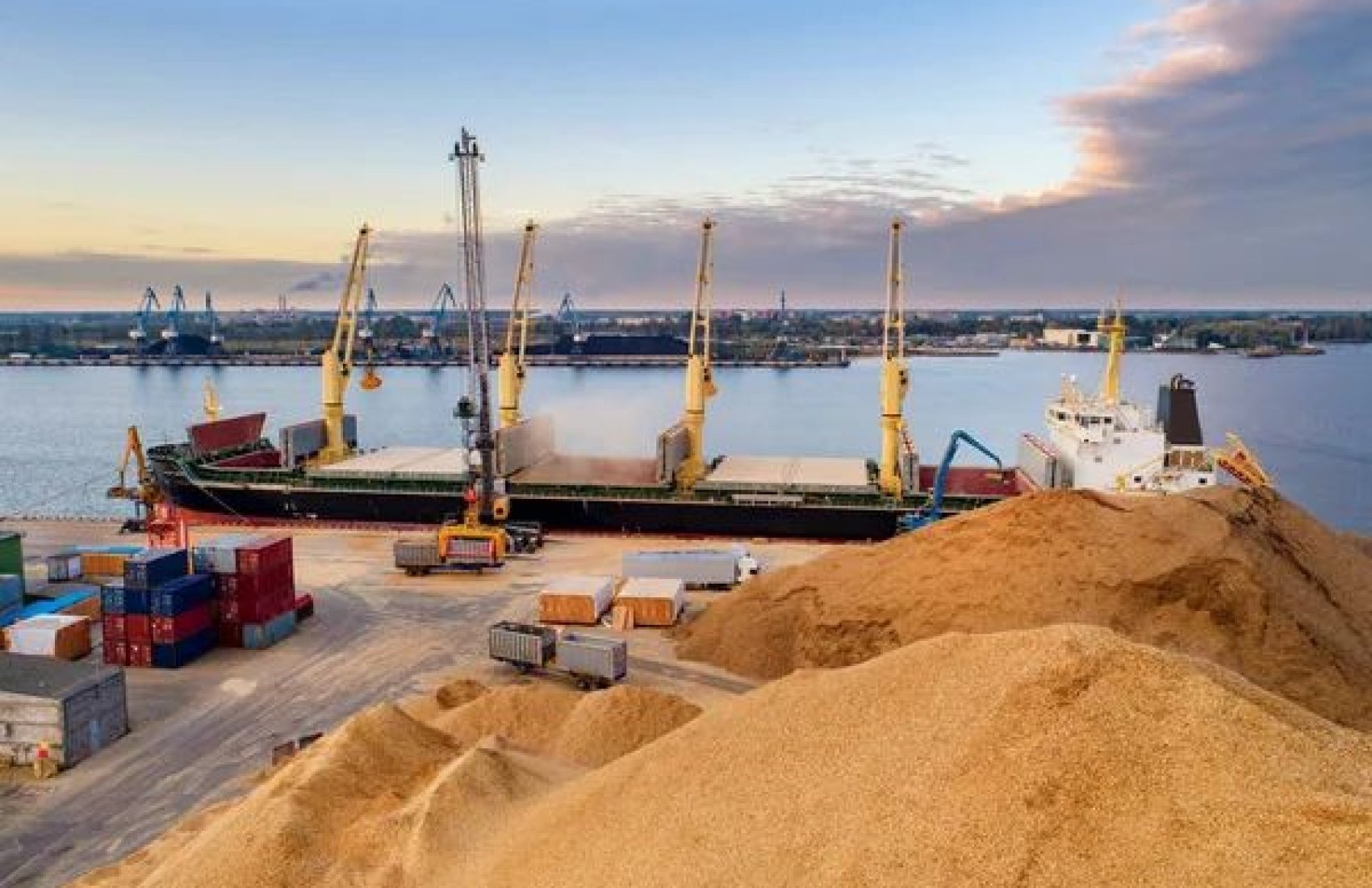
Ukraine’s agricultural sector could lose around $4.6 bln in export revenue in the second half of 2026 due to the blockade of maritime routes and limited alternative logistics capacity. This forecast is presented in the National Bank of Ukraine’s October Inflation Report. Despite the partial redirection of cargo flows to alternative routes, export volumes have not yet recovered to previous levels, putting additional pressure on farmers and traders.
According to the NBU, export shipments via alternative routes increased to 2.7 mln tons in September. However, the capacity of Danube ports and railway infrastructure remains insufficient to fully replace maritime transportation. In addition, higher logistics costs reduce the competitiveness of Ukrainian grain and oilseeds on the global market, limiting opportunities to increase export volumes.
Logistics disruptions are also negatively affecting other export-oriented sectors of the economy. In particular, the value of ferrous metal exports declined by 55% year-on-year in the third quarter, while the NBU expects an 81% drop in the fourth quarter. The shutdown of major steel plants could result in approximately $1 bln in lost export revenue in the second half of 2026, while reduced iron ore shipments could cost another $0.6 bln.
Under its baseline scenario, the National Bank assumes that the seaport blockade will continue throughout the first half of 2027. This means Ukrainian exporters will have to keep relying on more expensive and less efficient alternative routes. Meanwhile, the regulator does not expect major steel plants to resume operations during 2027, further limiting foreign currency earnings from exports.
The NBU forecasts that accumulated agricultural stocks will be exported mainly in the second half of 2027, following the restoration of maritime logistics. However, prolonged storage of grain and oilseeds increases the risk of crop losses and creates additional costs for producers. Delays in selling agricultural products could also weaken farmers’ financial positions and limit their ability to finance future sowing campaigns.
Read also
Brazil increases its share of EU soybean imports to 78%, displacing other suppliers
Late winter wheat sowing in Ukraine increases risk of crop damage during winter
European wheat prices rise on weaker euro and Black Sea concerns
Turkey’s olive oil exports plunge 53% despite expectations of a strong harvest
US soybean oil stocks fall to lowest level in nearly 12 years




Got additional questions?
We will be happy to assist!
Write to us
Our manager will contact you soon