

Late winter wheat sowing in Ukraine increases risk of crop damage during winter
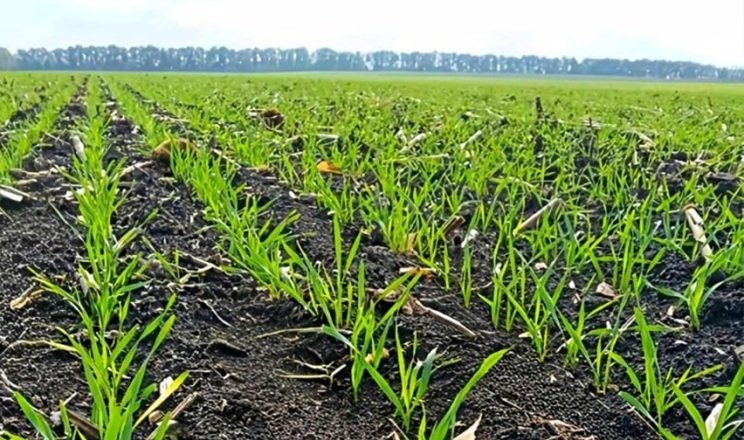
A significant share of Ukraine’s winter wheat crops could enter the winter period underdeveloped due to late sowing and unfavorable temperature conditions. According to experts from the National Academy of Agrarian Sciences of Ukraine (NAAS), plants may end autumn vegetation at different growth stages, ranging from initial emergence to tillering. In some fields sown during the first half of November, seeds may not even germinate before winter, creating additional risks for future yields.
Winter wheat vegetation usually ends across most of Ukraine in the second or third ten-day period of November. For successful overwintering, plants need at least 45–50 days of growth after emergence to develop 3–5 shoots. However, under low air and soil temperatures, seedlings may emerge only 29–30 days after sowing, while tillering may begin another 26–28 days later.
Under these conditions, winter wheat may enter winter with a poorly developed root system and an insufficiently formed tillering node. This limits the accumulation of nutrients needed to withstand low temperatures and reduces frost tolerance and winter hardiness. Even if crops survive the winter, insufficient autumn development may negatively affect their yield potential in spring.
Proper hardening is essential for winter crop survival and involves two stages. The first lasts around 20 days at daytime temperatures of 6–10°C and nighttime temperatures close to 0°C, allowing plants to accumulate protective carbohydrates. The second stage takes 9–12 days at temperatures ranging from –2°C to –5°C and involves physiological changes that increase frost resistance. In Ukraine, winter crop hardening typically begins in late October and continues throughout November.
The further condition of winter wheat will largely depend on weather conditions in late autumn and winter. A gradual decline in temperatures without sudden severe frosts would provide the most favorable conditions, allowing plants to complete the necessary hardening stages. Adequate precipitation will also be crucial for replenishing soil moisture reserves, supporting the resumption of vegetation in spring and helping determine crop yields in 2027.
Read also
Seaport blockade could cost Ukraine’s agricultural sector $4.6 bln in export...
Brazil increases its share of EU soybean imports to 78%, displacing other suppliers
European wheat prices rise on weaker euro and Black Sea concerns
Turkey’s olive oil exports plunge 53% despite expectations of a strong harvest
US soybean oil stocks fall to lowest level in nearly 12 years




Got additional questions?
We will be happy to assist!
Write to us
Our manager will contact you soon