

Ukraine introduces priority rail and port transportation for edible oils
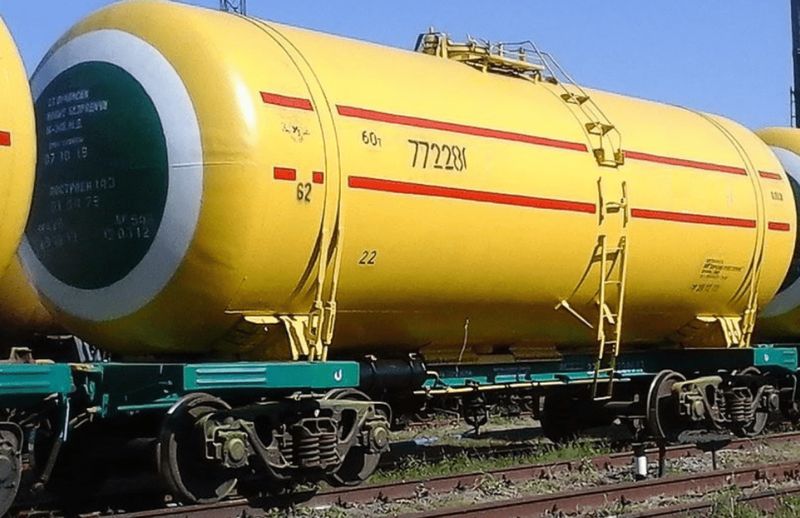
The Cabinet of Ministers of Ukraine has introduced temporary priority transportation and export procedures for edible oils by rail, through sea and river ports, and across the state border. The decision was adopted as part of a pilot mechanism that will remain in effect during martial law, but for no longer than two years. According to Latifundist.com, citing a government document, the priority applies to Ukrainian-produced sunflower, soybean, and rapeseed oils, as well as other edible oils, including safflower, cottonseed, and mustard oils. Both refined and unrefined products are covered.
Under the decision, Ukrainian Railways (Ukrzaliznytsia) must ensure priority transportation of edible oils by block trains to sea and river ports, border railway stations, and transshipment points for transfer to other modes of transport. This approach is intended to accelerate the delivery of export shipments and reduce delays caused by congestion on the railway network and limited logistics capacity.
At sea and river ports, vessels arriving to load edible oils in bulk will receive priority berthing. In addition, priority passage through the Sulina Canal will be arranged for vessels carrying edible oils. The canal remains an important route for Ukrainian exports via the Danube. However, the new rules do not allow cargo handling operations already underway on other vessels to be interrupted.
Priority procedures will also apply to vehicles transporting edible oils for export across the state border. Where technically feasible, dedicated corridors, railway tracks, or traffic lanes may be allocated for these shipments. At the same time, the government decision does not provide for changes to railway transportation tariffs or port fees. Separate priority arrangements have also been introduced for imports of motor gasoline, diesel fuel, and liquefied petroleum gas (LPG) into Ukraine.
The need for special transportation arrangements for edible oils stems from the risk of product accumulation due to export logistics disruptions. Such bottlenecks could force oilseed crushing plants to suspend operations and reduce purchases of sunflower seed, soybeans, and rapeseed from farmers. Another key factor is the high added value of processed products. According to calculations cited in the government document, exports of one ton of edible oil generate an average of around $1,300 in foreign exchange earnings, compared with approximately $220 per ton of corn or wheat. Priority transportation of edible oils is therefore intended to support stable processing operations and maintain export revenues.
Read also
Jordan buys 50 thsd tons of barley in tender
Palm oil prices in Malaysia decline after reaching four-week high
EU nitrogen fertilizer prices remain 45% above 2024 levels despite cheaper imports
Greece to begin biomethane production for transport sector for the first time
Egypt buys five wheat cargoes amid disruptions to Black Sea exports




Got additional questions?
We will be happy to assist!
Write to us
Our manager will contact you soon