Three hidden reasons behind the “growth” of livestock in Germany
Source:  Meatinfo
корова

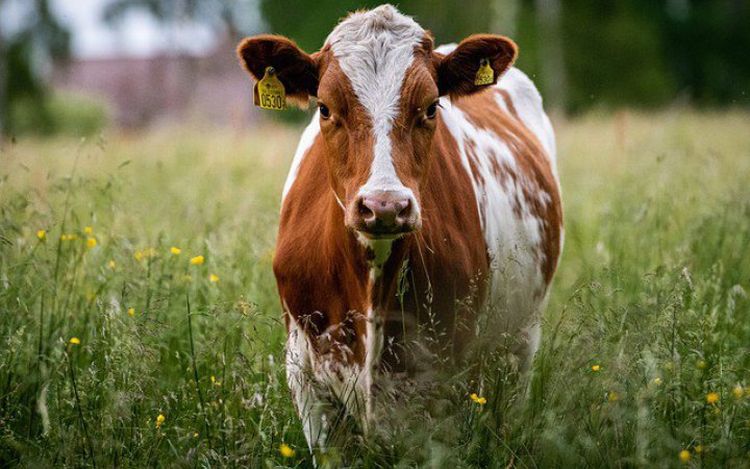
The recent increase in the number of dairy cows in Germany in November 2025 sparked optimism across the agricultural sector. After a decade marked by a steady decline in cattle numbers, this development appeared to signal the beginning of recovery. However, a closer analysis of the data reveals a different reality: this is not genuine growth, but rather a temporary distortion driven by economic incentives.

One of the most striking aspects is that the rise in dairy cow numbers is occurring alongside a sharp decline in the number of heifers used for herd replacement. Under normal conditions, herd growth is accompanied by an increase in young stock. In Germany, however, the replacement rate has fallen from around 64% to close to 50%, contradicting the logic of a sustainable livestock cycle.

The first key factor is that farmers are not expanding their herds but instead keeping existing cows productive for longer. This allows them to maintain milk output without investing heavily in new animals. As a result, the apparent “growth” reflects an extension of productive lifespans rather than true herd expansion.

The second factor lies in economic incentives. In 2025, milk prices declined significantly, while the prices of heifers remained high. Farmers therefore chose to sell young animals for immediate profit instead of reinvesting in herd renewal. This strategy supports short-term cash flow but undermines future production capacity.

The third factor concerns the inevitable consequences of this approach. In the coming years, herd numbers are expected to decline due to a shortage of replacement animals. This will reduce production capacity and may lead to a milk supply deficit. Thus, the current “surplus” is temporary and masks a longer-term structural contraction in the sector.

Further development of the grain and oilseed markets of Ukraine and the Black Sea region will be in the spotlight of the BLACK SEA GRAIN. KYIV conference, taking place on April 22–23 in Kyiv. The event will focus on strategic directions for the agricultural sector through 2030, including investments, energy independence, processing, and exports of high-value products.

Join strategic discussions and networking with industry leaders to gain актуальна insights, discover new business opportunities, and build partnerships with key market players.

Tags:

Got additional questions?
We will be happy to assist!

Secret Link