

Palm oil prices are expected to continue rising after a short-term correction
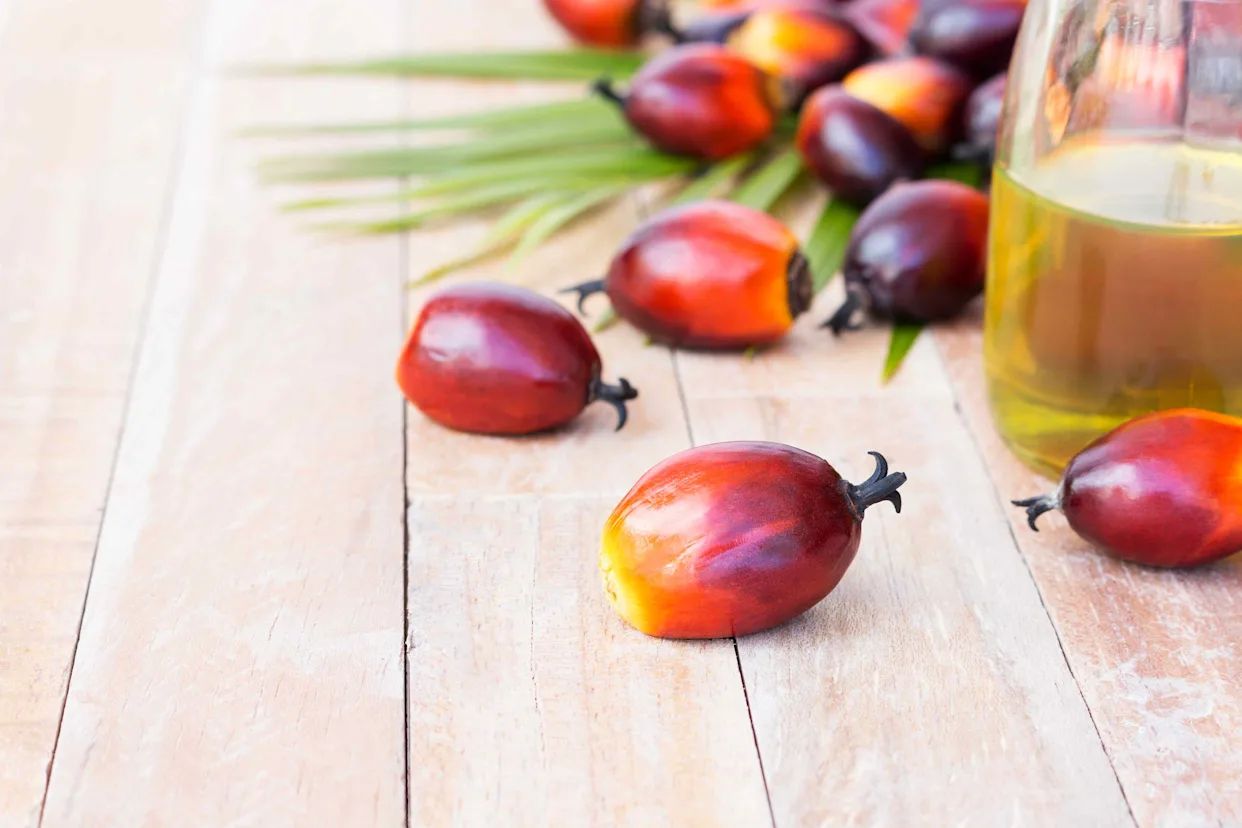
Palm oil prices have recently fluctuated downwards both in China’s domestic and international markets. In the short term, the peak palm oil production season in Southeast Asia and relatively low production costs have led to a decline in exports and consumption, dampening the upward price trend.
Given ongoing positive factors, such as concerns about the impact of medium- and long-term weather events (El Niño) on production and increased consumption due to biodiesel policies, palm oil prices are expected to continue rising after a short-term correction.
With the onset of El Niño, can palm oil production continue to grow?
Global palm oil production is concentrated in Indonesia and Malaysia (over 80%). While they are currently in peak season, weather events could impact annual production. The National Oceanic and Atmospheric Administration (NOAA) estimates the likelihood of an El Niño event this winter at 96%. With Indonesia and Malaysia in the main drought zone during El Niño, global production will face significant challenges.
With Indonesia’s B50 standard advancing, is there still enough palm oil?
Indonesia plans to implement a B50 blending policy (50% biodiesel) on July 1 of this year. Preliminary estimates indicate this could increase palm oil consumption by 3.5-4 million tonnes. Meanwhile, Malaysia plans to officially launch B15 in June and is aiming for B50 in the long term. Global consumption of palm oil biodiesel is expected to grow significantly in the second half of 2026.
Could a short-term decline halt the medium- and long-term upward trend?
For China, this question is particularly pressing, as the country primarily imports palm oil, and international prices have a significant impact on domestic prices. Since late April, China has seen an increase in imports of soybeans, rapeseed, and palm oil itself. Vegetable oil inventories in China are relatively high compared to last year, and consumption in the processing industries is weak, leading to low prices. However, the potential for price declines is limited.
Chinese analysts predict that in the short term, negative factors in the Chinese market will gradually fade and prices will slightly adjust downwards, while in the medium and long term, the market outlook for China and the world will remain optimistic.
For almost 30 years of expertise in the agri markets, UkrAgroConsult has accumulated an extensive database, which became the basis of the platform AgriSupp.
It is a multi-functional online platform with market intelligence for grains and oilseeds that enables to get access to daily operational information on the Black Sea & Danube markets, analytical reports, historical data.
You are welcome to get a 7-day free demo access!!!
Read also
Romania plans to restrict unscheduled freight train access to Constanta port
Global blueberry market faces tighter supplies and rising prices
China’s used cooking oil exports surge 55%, with Europe becoming the largest...
Kazakh flaxseed prices surge in Europe amid transit restrictions
Global food inflation intensifies amid declining grain shipments and rising logist...




Got additional questions?
We will be happy to assist!
Write to us
Our manager will contact you soon