

The world’s breadbaskets are facing weather-related and logistical challenges
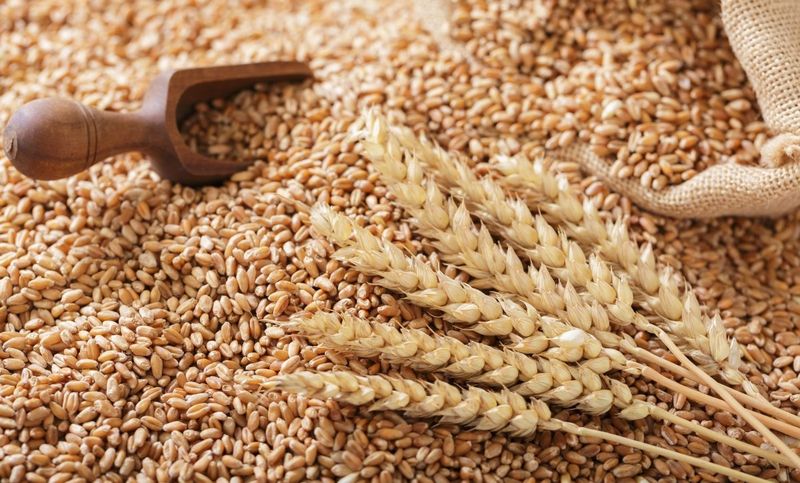
The global wheat market is simultaneously facing deteriorating harvest prospects in several key producing countries and disruptions along major export routes, The New York Times reports. Heat and drought are reducing production, while the war in the Black Sea, shipping disruptions in the Red Sea and low water levels on European rivers are increasing grain transportation costs.
One of the most significant factors is the worsening crop outlook in the United States, where wheat production in 2026 is expected to be the lowest since 1970 due to reduced acreage, drought and lower yields. According to IFPRI, prices for U.S. soft red winter (SRW) wheat rose by nearly 25% in the first seven months of the year, while hard red wheat prices increased even more sharply.
Europe is facing problems as well. Heat and drought have negatively affected yields in France and Germany, while Coceral estimates grain production in Europe and the UK at 286.6 mln tons in 2026, compared with 310 mln tons a year earlier. Low water levels on the Danube and Rhine are also complicating agricultural commodity transportation and increasing logistics costs.
At the same time, risks to international trade are mounting. Reciprocal attacks by Ukraine and russia on port and grain infrastructure are restricting shipments through the Black Sea, while security problems in the Red Sea are forcing some vessels to take the longer route around Africa. El Niño poses an additional risk, potentially worsening production conditions in several regions and reducing water levels in the Panama Canal.
At the same time, global wheat stocks remain sufficient thanks to last season’s strong harvest, meaning the main risk is not the physical availability of grain but its affordability. FAO warns that the simultaneous impact of adverse weather in major exporting countries, restrictions on Black Sea supplies and disruptions along key transportation routes could reinforce each other and contribute to further increases in global food prices.
Read also
Egypt plans to raise domestic wheat procurement prices
Tunisia purchases 26.5 thsd tons of feed corn in tender
Palm oil prices rise on strong Malaysian exports and higher crude oil prices
Coming Up in UkrAgroConsult Reports: Key Market Signals
India may increase edible oil imports to 17 mln tons in MY 2026/27




Got additional questions?
We will be happy to assist!
Write to us
Our manager will contact you soon