

The heatwave has caused €2 billion in losses to Europe’s grain sector
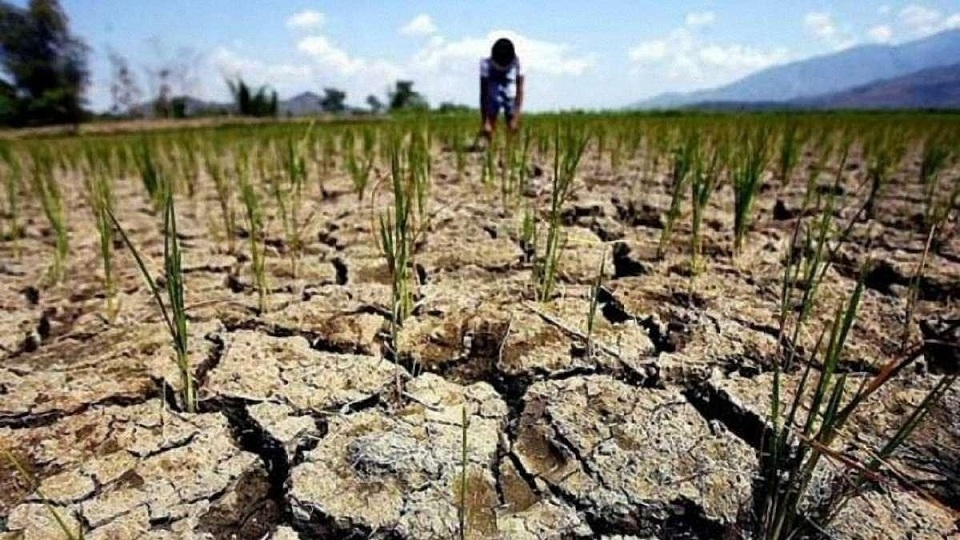
Record heat across Europe in 2026 has caused significant losses to the agricultural sector and reduced yields of grains and feed crops. Temperatures exceeded 40°C in parts of Spain, France and Italy, while prolonged drought intensified moisture shortages. According to the UK-based Energy and Climate Intelligence Unit (ECIU), losses to Europe’s grain sector from reduced production have already reached around €2 billion.
Conditions are particularly difficult in regions suffering from prolonged rainfall deficits. Eastern Austria has received only around 100 mm of rainfall since the beginning of the year, compared with a typical 300 mm, significantly worsening growing conditions. In Italy, low water levels in the Po River basin, one of the country’s key agricultural regions, remain an additional risk as reduced rainfall and declining Alpine snow cover limit water availability for irrigation.
The heat has also intensified concerns over feed supplies for Europe’s livestock sector. In Germany, particularly in Baden-Württemberg and Bavaria, grass growth has virtually stopped after the first cut, while silage corn yields are under pressure. In the Netherlands, farmers have already begun using feed stocks intended for winter after grass growth on pastures stalled.
Persistent changes in weather patterns are also gradually reshaping the geography of crop production in Europe. Corn cultivation is shifting further north, while Poland’s role as a producer continues to grow. Farmers will need greater investment in irrigation, water storage and crop protection technologies to adapt, although the high cost of such projects remains a major constraint.
Despite mounting climate risks, a sharp long-term decline in European grain production is not currently expected. The 2026 grain crop is estimated at around 289 mln tons, while European Commission scenarios put production at 278–320 mln tons by the end of the decade. Maintaining these volumes, however, will require increasing spending on climate adaptation, potentially raising agricultural production costs and adding to food inflation.
Read also
Romania proposes joint NATO command to protect the Black Sea
Drought in India threatens sugar and biofuel production
Record sunseed harvest in Russia threatens to drive down prices in Kazakhstan
Corn drying costs in Ukraine could exceed the value of the grain at current prices
Oilseeds remain the only profitable segment of crop production in Russia




Got additional questions?
We will be happy to assist!
Write to us
Our manager will contact you soon