

Thailand to produce food protein from industrial CO₂ emissions
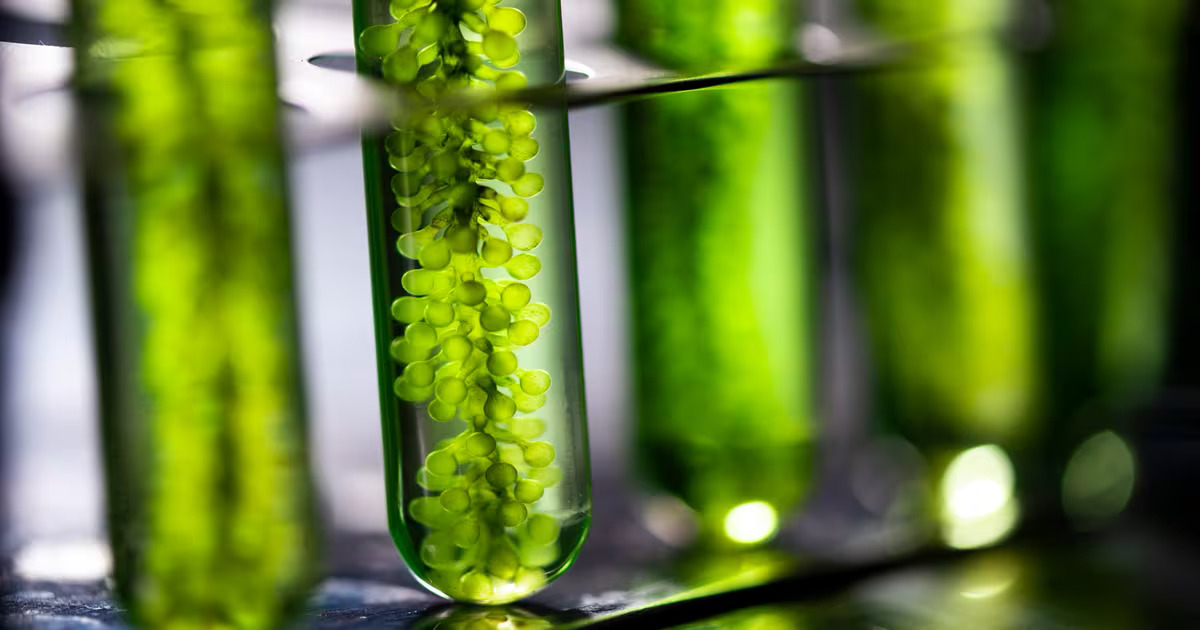
Thailand has launched a national strategy to develop an industry producing microbial protein from industrial carbon dioxide emissions. The country aims to become one of the world’s leading suppliers of alternative proteins by using captured CO₂ as a feedstock for food ingredients and animal feed.
The technology captures carbon dioxide from power plants and industrial facilities before feeding it into bioreactors. Specialized microorganisms convert CO₂, hydrogen, and oxygen into protein-rich biomass, which can then be processed into ingredients for food products and livestock feed. Unlike conventional protein production, the process requires no arable land and very little freshwater.
The Thai government believes the initiative will help reduce industrial carbon emissions while strengthening the country’s export potential. It also aims to produce low-carbon products that will be more competitive in the EU and US markets as carbon border measures become increasingly important.
The first phase of the program will involve major energy, cement, and steel companies. Biotechnological production units will be built directly next to industrial facilities, allowing captured CO₂ to be used without the need for costly transportation.
According to industry estimates, the global alternative protein market could reach $391 billion by 2033. In addition to Thailand, large-scale microbial protein projects are already underway in Saudi Arabia, China, Finland, and Singapore, reflecting growing global interest in sustainable protein production for both food and feed industries.
Read also
Romania proposes joint NATO command to protect the Black Sea
Drought in India threatens sugar and biofuel production
Record sunseed harvest in Russia threatens to drive down prices in Kazakhstan
Corn drying costs in Ukraine could exceed the value of the grain at current prices
Oilseeds remain the only profitable segment of crop production in Russia




Got additional questions?
We will be happy to assist!
Write to us
Our manager will contact you soon