

Tanzania is set to increase its production of compound feed as the poultry sector expands
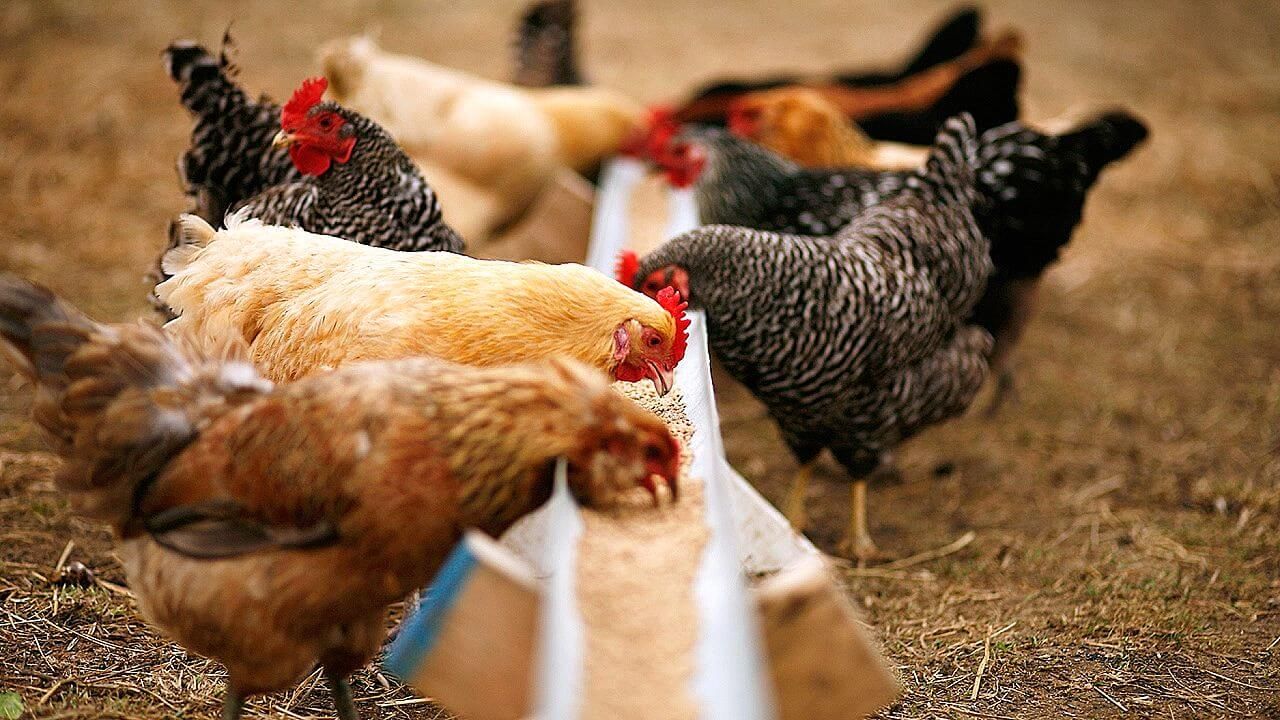
Tanzania plans to increase annual poultry feed consumption to approximately 3 mln tons under its new ten-year poultry development strategy for 2026–2036. The program aims to significantly increase egg and poultry meat production, expand the compound feed industry and attract private investment. Total funding required for the National Poultry Development Strategy (NPDS) is estimated at 3.53 trillion Tanzanian shillings, or approximately $1.4 bln.
Under the strategy, Tanzania aims to increase annual egg production from 7.1 bln to 17.3 bln eggs by 2036, while poultry meat output is expected to rise from 156 thsd tons to 380 thsd tons. Production of high-quality day-old chicks is projected to increase from 104 mln to 250 mln birds annually. Meanwhile, the poultry industry’s contribution to the country’s GDP is expected to grow from 1.8% to 3%. Achieving these targets will require a substantial expansion of compound feed production and reliable supplies of feed raw materials.
According to Tanzania’s Deputy Minister for Livestock and Fisheries, Ngwasi Kamani, the private sector is expected to provide around 60% of the funding required for the program. Another 25% is expected to come from international development partners, with the remaining 15% provided by the government. Investments will focus on modernizing poultry farms, developing the feed industry, introducing new technologies and improving productivity.
Meanwhile, shortages of high-quality feed, high production costs and limited access to financing remain major obstacles to the development of Tanzania’s poultry industry. According to Sufian Kyarua, Secretary-General of the Poultry Association of Tanzania (PAT), further expansion of the sector will require investment in affordable compound feed production and reliable raw material supply chains. The expected increase in feed demand creates additional opportunities for domestic grain producers, processing companies and feed ingredient suppliers.
Tanzania is also placing particular emphasis on international cooperation, especially with the Netherlands. During the Tanzania–Netherlands Poultry Business Forum in Dar es Salaam, representatives of the two countries discussed cooperation in feed production, equipment supplies, poultry housing construction, scientific research and innovation. According to government data, more than 4 mln households in Tanzania are engaged in poultry farming, representing around 55% of families involved in agriculture and livestock production. The strategy is expected to support higher food production, job creation and the development of the country’s agricultural industry.
Read also
Rising Brazilian beef prices create new export opportunities for Paraguay
Georgia’s potato exports fall by nearly 60 thsd tons
USDA cuts EU oilseed production forecast for 2026/27
Jordan issues tender to buy up to 120 thsd tons of feed barley
Moldova plans to extend grain and oilseed import licensing until the end of 2026




Got additional questions?
We will be happy to assist!
Write to us
Our manager will contact you soon