

Spain tightens controls on olive oil trade
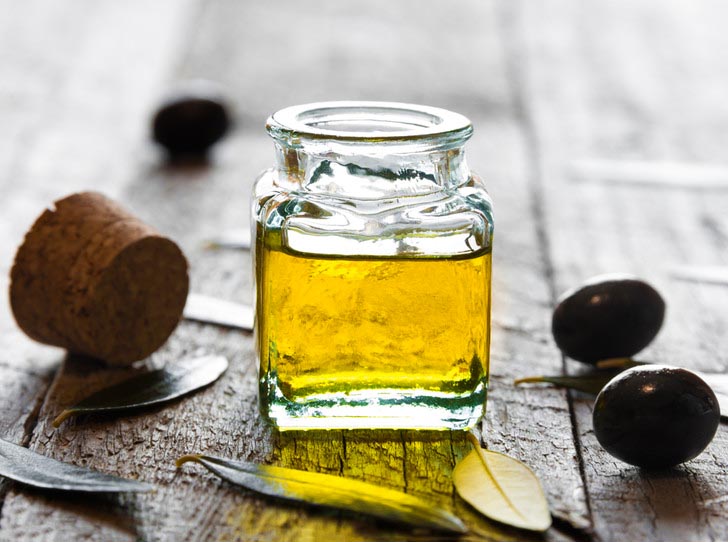
Spain has introduced new traceability requirements for olive oil and olive pomace oil, strengthening oversight of their movement in domestic and international markets. The changes require operators to upload product quality documentation to the REMOA electronic system, confirm the receipt of bulk shipments and more clearly identify those responsible for import documentation. The new rules came into force on October 9, 2026, under Royal Decree No. 808/2026.
Operators transporting olive oil in bulk must now submit laboratory test results or other documents confirming the declared product category to the electronic register. The requirements apply to domestic shipments, imports from other EU member states and third countries, as well as exports. The documentation must allow authorities to track the origin, characteristics and movement of each registered shipment.
Another important change concerns delivery confirmation. Upon receiving olive oil, operators must record the shipment’s arrival in REMOA and verify that it matches the previously submitted information. Previously, some shipments remained open in the electronic system because delivery confirmation was missing, making regulatory oversight more difficult. However, confirming receipt of a shipment does not automatically mean that its quality or compliance with regulatory standards has been verified.
The updated rules also clarify the responsibilities of international trade participants. For olive oil imported from EU member states or third countries, the final recipient in Spain is responsible for ensuring proper documentation. For exports or shipments to other industries, responsibility for entering information into REMOA rests with the owner of the shipment at the time of dispatch. These changes are intended to close reporting gaps and improve the reliability of trade records.
The tighter controls aim to prevent irregularities, including incorrect labeling and misclassification of olive oil, while improving market transparency. For Spain, the world’s largest olive oil producer and exporter, strengthening traceability is particularly important for maintaining the confidence of international buyers. At the same time, the new requirements increase documentation obligations for producers, traders and importers.
Read also
Winter barley area could fall to its lowest level since 2022
Ukraine plans to deploy maritime and aerial drones to protect ships in the Black Sea
Russia shifts from wheat exports to flour amid Black Sea logistics disruptions
China’s soybean oil exports could reach a record 1.35 mln tons
Palm oil prices rise 3.5% amid stronger soybean oil market and growing stocks




Got additional questions?
We will be happy to assist!
Write to us
Our manager will contact you soon