

South Korea to increase wheat imports to 4.6 mln tons amid growing demand for flour products
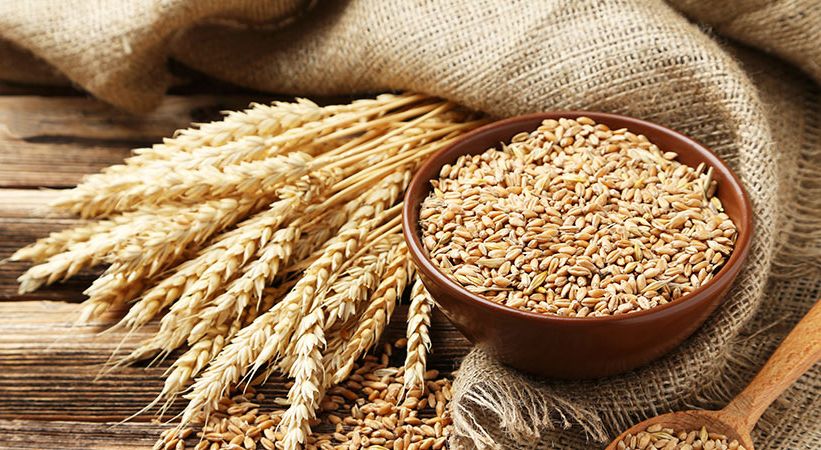
South Korea could increase wheat imports to 4.6 mln tons in the MY 2026/27, compared with 4.5 mln tons in the previous season, driven by growing demand for flour products and expanding instant noodle production. According to USDA FAS, domestic wheat consumption is forecast to rise to 3.9 mln tons from 3.8 mln tons a year earlier. Meanwhile, domestic wheat production remains limited at just around 29 thsd tons, keeping the country heavily dependent on imported grain.
One of the main drivers of increasing wheat demand is the development of the food processing industry, particularly the production of ramyeon noodles for domestic consumption and export. South Korea’s leading noodle manufacturer, Nongshim, plans to open a new export-oriented facility in Busan in November. The plant will have an annual production capacity of up to 500 mln noodle packages, equivalent to approximately 40 thsd tons of wheat. Further expansion of noodle production could support additional growth in import demand.
South Korea’s flour milling industry comprises nine companies operating 12 mills with a combined potential capacity of around 3.5 mln tons of grain annually, based on 300 operating days. Meanwhile, changing dietary habits are gradually reshaping grain consumption patterns. South Korean consumers increasingly prefer ready-made meals, noodles and convenience foods, while traditional rice consumption continues to decline.
According to USDA FAS estimates, South Korea’s milled rice production in 2026/27 is expected to decrease to 3.52 mln tons from 3.54 mln tons in the previous season, marking the third consecutive annual decline. Total rice consumption is projected at 3.83 mln tons, compared with 3.89 mln tons a year earlier. At the same time, demand for rice used in processing and convenience food production is increasing, although it has not yet offset the decline in traditional table rice consumption.
South Korea’s corn demand also remains strong, primarily driven by the animal feed industry. Total corn consumption in 2026/27 is forecast at 11.46 mln tons, with approximately 80% used for feed purposes. Domestic corn production is expected to reach just 94 thsd tons, while imports are projected at 11.2 mln tons, down from 11.46 mln tons in the previous season. The United States remains the main supplier, accounting for a record 76% of South Korea’s corn imports in 2025/26.
Read also
Algeria purchases over 700 thsd tons of wheat in tender
Malaysia’s palm oil exports surge 56%, but stocks reach record high
Plant-based meat and dairy alternatives face higher VAT in 12 EU countries
Kazakhstan increases linseed exports by 62%, shifting shipments toward China
Rising gas costs and falling prices complicate corn harvest in Poland




Got additional questions?
We will be happy to assist!
Write to us
Our manager will contact you soon