

Serbian farmers delay wheat sowing amid drought and rising costs
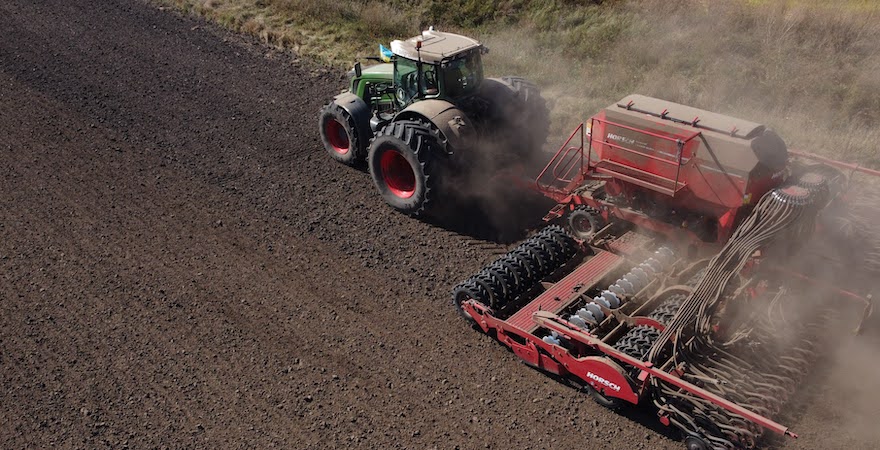
Serbian farmers are entering the new sowing campaign amid severe drought, higher production costs and weaker agricultural prices. The most difficult conditions are in the north of the country, particularly in Banat, where dry and hard soils are preventing proper field preparation for winter wheat.
According to local experts, moisture shortages in some areas extend to a depth of around 1 metre. At least 50 litres of rain per square metre are needed for proper soil preparation and sowing. Some farms have already abandoned rapeseed sowing because of insufficient moisture.
The optimal wheat sowing period has already begun, but farmers are being forced to delay fieldwork until sufficient rainfall arrives. Experts warn that using heavy machinery on excessively dry soil could further worsen its condition.
Higher production costs are adding to the pressure. Farmers in Banat estimate that this year’s sowing campaign could be 20–25% more expensive than last year. At the same time, wheat purchase prices have fallen from around 21.5 to 20 dinars/kg, prompting some producers to reduce fertilizer use and potentially cut spending on certified seed.
Warming temperatures are also gradually shifting sowing dates in Serbia. Researchers estimate that the optimal window has moved by around 10–15 days in recent years, and wheat sown in early November may still develop normally. Farmers are nevertheless aiming to complete sowing by the end of October if weather conditions allow.
Read also
Rising global grain prices push Vietnam feed costs higher for second time in a month
Indonesia’s corn production rises, but output is expected to decline toward year-end
Kazakhstan cuts sunflower seed exports amid record processing
Palm oil falls on concerns over record Malaysian stocks
Egypt resumes exchange sales of imported wheat after sharp drop in supplies




Got additional questions?
We will be happy to assist!
Write to us
Our manager will contact you soon