

Second wave of Russia’s fuel crisis creates new risks for harvesting and autumn sowing
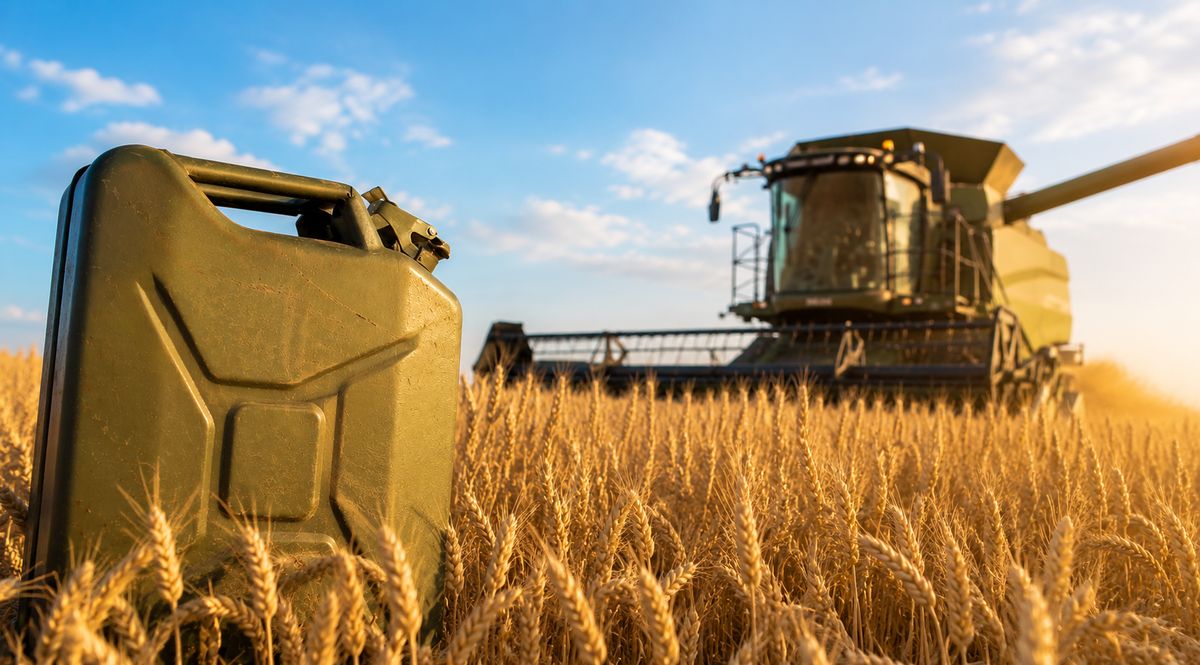
The second wave of fuel shortages in Russia is adding pressure on the agricultural sector during one of the most sensitive periods of the season — the final stages of harvesting and preparations for autumn sowing. In August, fuel supply disruptions were reported in at least 10 regions, while gasoline sales on the St. Petersburg exchange have fallen by around 20% since the beginning of the month. Fuel purchase limits and queues have reappeared even in the Moscow region.
This is the second wave of the fuel crisis following shortages in May-July, which emerged after a series of strikes on Russian oil refining facilities. At the time, authorities restricted fuel exports, increased supplies from Belarus and Kazakhstan, redistributed fuel between regions and eased some fuel quality requirements. These measures temporarily stabilised the market, but renewed strikes on refineries in late July and August have again reduced available supplies.
A notable sign of the worsening situation is Russia’s growing reliance on gasoline imports from India. Around 68 thsd tons of Indian gasoline arrived at the Russian port of Vitino in mid-August, with at least two more cargoes on the way. Supplies from Belarus and Kazakhstan are also continuing. Russia is therefore increasingly relying on imports to compensate for disruptions in its domestic fuel market.
For agriculture, the availability of diesel remains the most critical issue, as it is essential for combines, tractors and crop transportation. The problem has already prompted Russian authorities to introduce a separate mechanism to secure gasoline and diesel supplies for farmers through November 1. The renewed shortages coincide with the harvesting of late crops, field preparation and the start of winter crop sowing, sharply increasing farms’ seasonal fuel requirements.
Higher fuel prices are also making crop marketing more expensive. Road freight rates and grain transportation costs are rising, while export disruptions through the Sea of Azov and the Black Sea are already weighing on domestic grain purchase prices. Russian farmers are therefore facing higher production and logistics costs at the same time as weaker conditions for selling their grain, squeezing margins and reducing funds available for the next production season.
If diesel shortages continue to worsen, the second wave of the fuel crisis could directly slow the completion of harvesting and autumn sowing. Delays in fieldwork increase the risk of crop losses and deterioration in grain quality, while higher fuel costs raise the cost of producing the next crop. Further strikes on refineries and prolonged repairs could make fuel supplies to the agricultural sector even more difficult, particularly for small and medium-sized farms with smaller reserves and more limited financial resources.
For almost 30 years of expertise in the agri markets, UkrAgroConsult has accumulated an extensive database, which became the basis of the platform AgriSupp.
It is a multi-functional online platform with market intelligence for grains and oilseeds that enables to get access to daily operational information on the Black Sea & Danube markets, analytical reports, historical data.
You are welcome to get a 7-day free demo access!!!
Read also
Romania plans to restrict unscheduled freight train access to Constanta port
Global blueberry market faces tighter supplies and rising prices
China’s used cooking oil exports surge 55%, with Europe becoming the largest...
Kazakh flaxseed prices surge in Europe amid transit restrictions
Global food inflation intensifies amid declining grain shipments and rising logist...




Got additional questions?
We will be happy to assist!
Write to us
Our manager will contact you soon