

Russia’s wheat harvest faces fuel shortages and rain risks
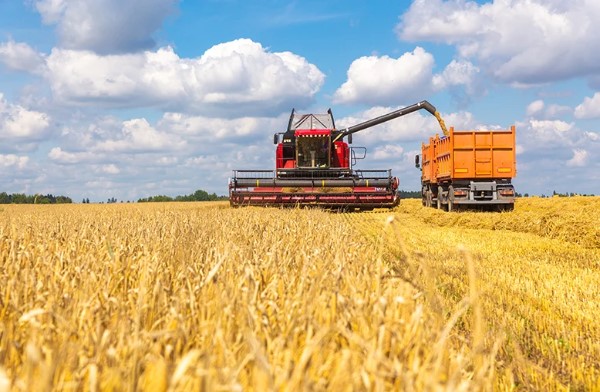
Russian farmers preparing to harvest winter wheat are facing surging diesel prices and adverse weather conditions, raising concerns over the final size of the crop and profitability in the world’s largest grain exporter.
Ukraine has stepped up strikes on Russia’s energy infrastructure since late last year, leading to fuel supply disruptions across many regions of the country. As a result, many farmers are entering the harvest season, which begins in July, without sufficient diesel reserves for combines and trucks.
A Bloomberg survey of eight farmers across several regions found that only two have enough fuel to complete the harvest. Three said they had purchased fuel before the price spike but have not yet received delivery. The remaining three have enough fuel only for the first two weeks of harvesting, after which they will have to buy at higher current prices.
The biggest fuel shortages are affecting small and medium-sized farms, which account for the bulk of Russia’s grain production, said Arkady Zlochevsky, president of the Russian Grain Union. At the same time, rainfall forecasts for southern regions at the end of June and early July could further slow harvesting, according to crop consultancy IKAR.
Russia is the world’s largest wheat exporter. Peak grain exports were recorded after the record harvest of 2022. According to the U.S. Department of Agriculture, Russia’s wheat production in the 2026/27 season is expected to be lower year-on-year but still reach around 88 million tonnes. Other market analysts, including SovEcon and IKAR, estimate the crop at roughly 89.9–91.5 million tonnes.
Concerns over the final harvest size are emerging alongside similar challenges in other major producers such as the United States and Australia, which have also been hit by a combination of adverse weather and shortages of fuel and fertilizers linked to the war with Iran. In addition, the El Niño weather pattern is increasing fears about global food production in 2027.
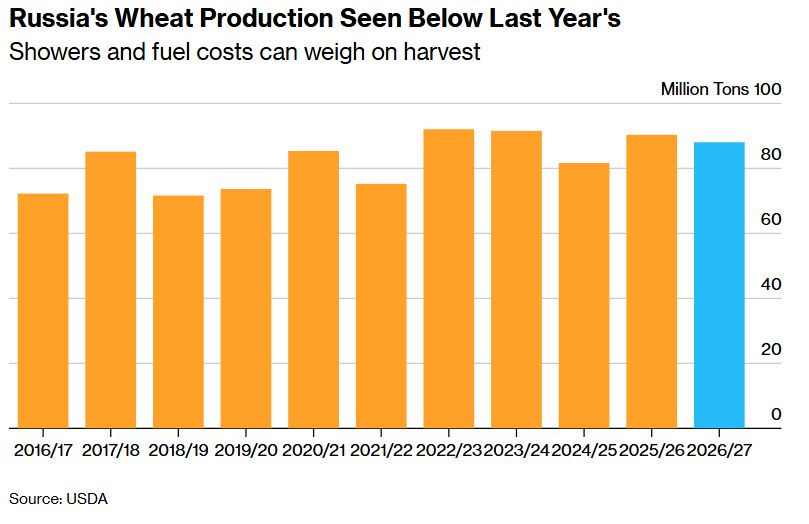
USDA data shows Russia’s wheat production in 2026/27 is expected to be below last year’s level. Charts also highlight the impact of rainfall and fuel costs on harvesting pace.
Meanwhile, the government says farmers have adequate fuel supplies, although last week Deputy Prime Minister Alexander Novak said the country is considering a ban on diesel exports to avoid domestic shortages.
Farmers who did not stock up before the price surge will have to buy fuel at any cost, “because nobody will leave the crop in the field,” said farmer Vasily Dergachev from the Ulyanovsk region.
These costs will feed into overall harvesting expenses, putting additional pressure on profitability at a time when ample supply and a stronger ruble are already eroding margins.
This could lead farmers to “reduce the area for winter crops in the autumn and allocate more land to spring crops in 2027,” Dergachev added.
For almost 30 years of expertise in the agri markets, UkrAgroConsult has accumulated an extensive database, which became the basis of the platform AgriSupp.
It is a multi-functional online platform with market intelligence for grains and oilseeds that enables to get access to daily operational information on the Black Sea & Danube markets, analytical reports, historical data.
You are welcome to get a 7-day free demo access!!!
Read also
Monthly Report «VegOil Market Risk Navigator for Ukraine»
Turkey’s sunseed production may increase by 24% in MY 2026/27
USDA keeps Kazakhstan wheat export forecast at 9.5 mln tons
High fertilizer prices push US farmers to cut corn acreage
Drought and corn shortages paralyze Sudan’s feed industry




Got additional questions?
We will be happy to assist!
Write to us
Our manager will contact you soon