

Russian analysts do not expect Black Sea shipping to normalize before spring 2027
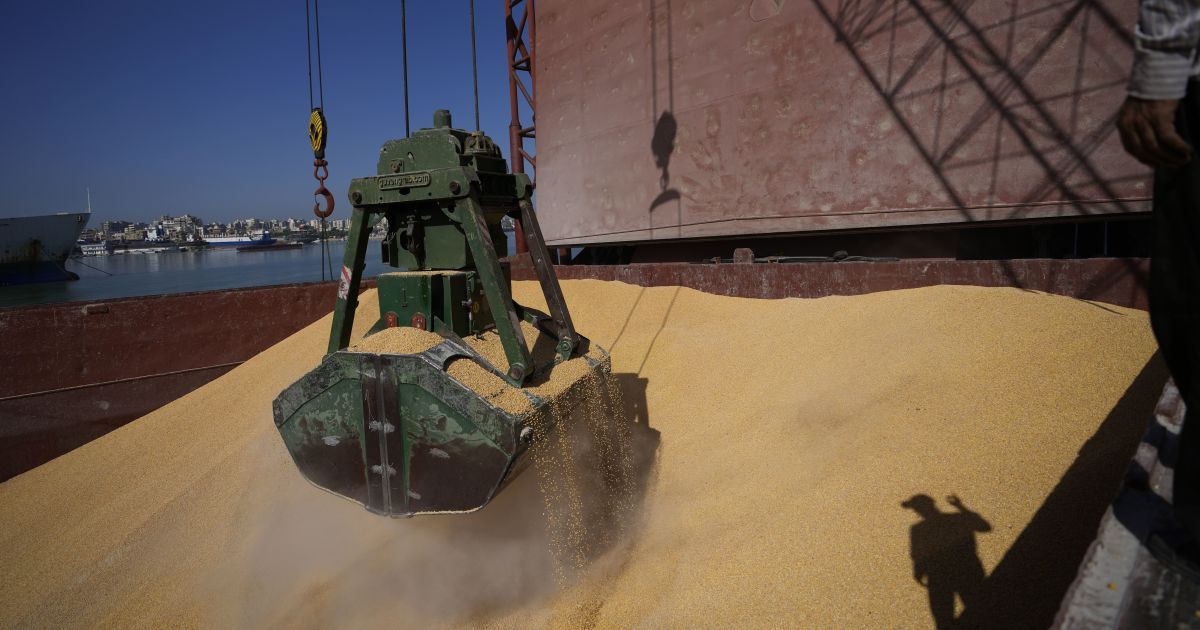
Prospects for restoring stable shipping operations in the Black Sea remain uncertain following inconclusive talks between Ukraine, the US and Russia in Abu Dhabi. Russian analytical center SovEcon has revised its baseline scenario and now does not expect maritime traffic to normalize before spring 2027, having previously anticipated an improvement in early 2027. The lack of agreements on shipping security has also prompted analysts to lower their forecast for Russian wheat exports in the 2026/27 MY by 700 thsd tons, from 36.7 mln to 36 mln tons.
Grain shipments through Russian Black Sea ports currently remain at minimal levels of approximately 100–200 thsd tons per month. Due to maritime logistics restrictions, major export flows have been redirected to northwestern routes, primarily Baltic ports. Ust-Luga, in particular, has become one of the main hubs for Russian grain exports, handling around 600–700 thsd tons per month. However, risks along this route are increasing due to threats to port infrastructure and limited transport network capacity.
Additional challenges for Russian grain exports are emerging from tighter controls on grain transit through Lithuania starting November 16, potentially causing shipment delays of two months or longer. The Baltic states are also seeking an EU-wide ban on Russian grain transit. The situation is further complicated by the end of river navigation in mid-November, which will shift some cargo flows onto an already congested railway network. This could further limit exporters’ ability to compensate for the loss of Black Sea routes.
Despite logistics difficulties, Russian exporters continue to ship substantial volumes of wheat through alternative routes. Preliminary estimates suggest that November exports could reach 2.8–3.2 mln tons, compared with 2.1 mln tons in August. However, this would remain well below the 5.2 mln tons exported in November last year and the five-year average of 4 mln tons. Analysts expect Russian wheat exports to remain below historical averages throughout the winter, adding further pressure on domestic grain prices.
The impact of Black Sea shipping restrictions is also being felt by neighboring countries, particularly Kazakhstan. The redirection of Russian grain flows toward Baltic ports is overloading railway routes, leaving Kazakh exporters facing refusals of transit approvals, including for linseed shipments. According to Kazakh market participants, no significant improvement is expected before the end of 2026. Meanwhile, growing grain inventories within Russia could intensify competition in Central Asian markets and put additional pressure on agricultural commodity prices across the region.
Read also
Ukraine cannot afford to buy up surplus grain from farmers
Kazakhstan expands linseed area by 41%, but production to remain unchanged year-on...
Sunseed prices in Ukraine decline as crushing plants shut down following Russian a...
Canada’s wheat production could decline by 10% but remain among the highest ...
Russia’s share of global sunflower oil exports could fall from 38% to 25%




Got additional questions?
We will be happy to assist!
Write to us
Our manager will contact you soon