

Russia says grain exports will not be affected, but the situation in the Sea of Azov suggests otherwise
Russia’s Ministry of Agriculture has stated that the situation in the Sea of Azov will not affect the country’s export potential or domestic food supplies. According to the ministry, agricultural shipments can be quickly redirected through alternative routes if necessary, with contingency plans already being developed together with other government agencies and the private sector.
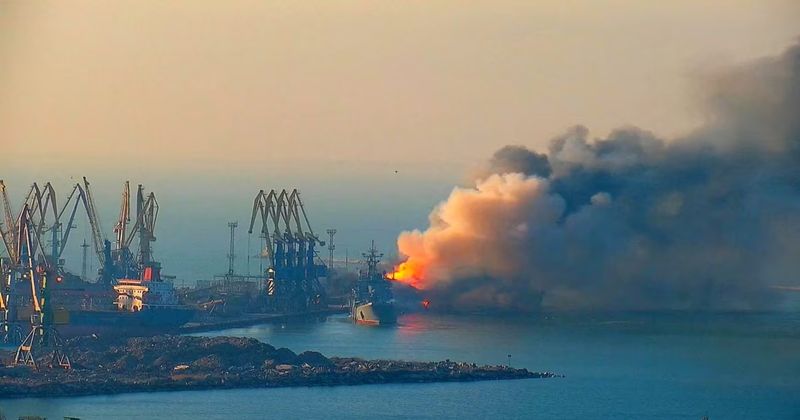
However, following Ukrainian drone attacks, Russia was forced to suspend navigation through the Volga-Don Canal and stop accepting transit applications for the Kerch Strait. This transport corridor handles a significant share of grain shipments from southern Russia, the Volga region and parts of the Central Federal District, meaning that even temporary restrictions immediately disrupt logistics chains.
Despite official assurances that exports can be rerouted, market participants are already reporting operational difficulties at ports in the Sea of Azov basin. Industry sources say grain trucks have accumulated at the ports of Rostov-on-Don, Azov and Taganrog, loading activity has slowed, and exporters are focusing primarily on fulfilling previously signed contracts.
Russia’s Ministry of Transport says shipowners are introducing additional vessel protection measures, while ports are working to optimize traffic flows and reduce cargo handling times. At the same time, industry representatives are taking a much more cautious view. They say the problems in the Sea of Azov are compounding existing challenges related to fuel shortages and road logistics, making transportation of the new grain crop even more difficult.
According to military analysts, the next stage of escalation could involve direct attacks on the port infrastructure of Russia’s Azov and Black Sea ports. If that happens, not only shipping through the Sea of Azov but also the country’s main Black Sea grain export hubs—which handle the majority of Russia’s seaborne grain exports—could come under pressure.
Although Russia could reroute part of its grain exports via the Baltic Sea or the Caspian Basin, these routes cannot fully replace the Azov-Black Sea corridor, which handles the bulk of the country’s seaborne grain exports. Such a shift would require longer inland transportation, place additional pressure on the rail network, and increase logistics costs. As a result, Russian grain could become less competitive, particularly in Middle Eastern and North African markets, where Black Sea ports provide the shortest and most cost-effective export route.
For almost 30 years of expertise in the agri markets, UkrAgroConsult has accumulated an extensive database, which became the basis of the platform AgriSupp.
It is a multi-functional online platform with market intelligence for grains and oilseeds that enables to get access to daily operational information on the Black Sea & Danube markets, analytical reports, historical data.
You are welcome to get a 7-day free demo access!!!
Read also
French agribusiness group Malteurop acquires malting plant in China
Palm oil price declines on profit-taking after weekly gains
Argentina’s sunflower planting area to remain unchanged from last season — BAGE
Heavy rains threaten Australia’s chickpea crop and delay harvest
USDA acknowledges error in September US corn crop forecast




Got additional questions?
We will be happy to assist!
Write to us
Our manager will contact you soon