

Romania plans to restrict unscheduled freight train access to Constanta port
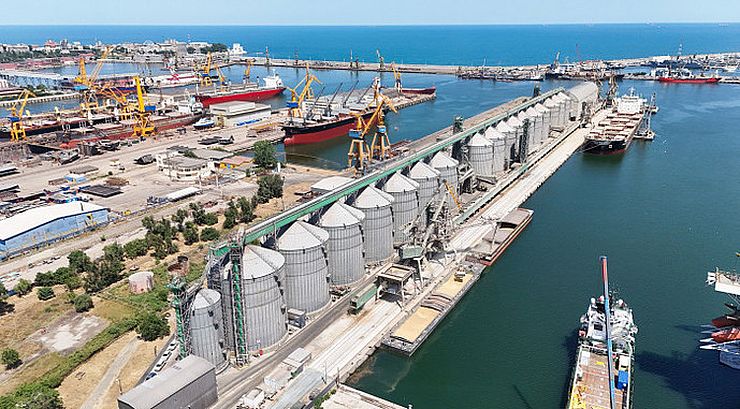
Romania’s Ministry of Transport has prepared a draft order to tighten the rules governing freight train access to the Port of Constanta. In particular, the authorities plan to restrict the acceptance of trains arriving outside approved schedules and prohibit their priority handling. According to Transport Minister Radu Miruta, the proposed measures are aimed at improving railway freight operations and reducing wagon waiting times on the approaches to Romania’s largest seaport.
The new rules provide for more precise planning of all stages of freight transportation, from vessel arrivals and shunting operations at the port to transit across Romania’s railway network and the delivery of wagons to loading points. The main principle will be strict adherence to previously agreed train schedules. Freight trains arriving outside their designated slots will not be allowed to receive priority over trains that already have an assigned position in the queue.
The draft order also establishes responsibility for delays depending on their causes. If a train is delayed due to the actions of state railway infrastructure operator CFR, neither railway nor port operators will face penalties, and another train from the approved schedule may be accepted instead. However, if a delay is caused by the railway carrier, that operator will be held responsible, while the maritime operator will not be penalized.
Stricter penalties are also proposed for violations of the established handling order. Operators may lose their position in the loading queue and face increased fines. According to the minister, current practices have allowed some trains to receive priority while others remained idle for extended periods on the approaches to the port. This has resulted in the accumulation of railway wagons, effectively turning them into temporary storage facilities and reducing the efficiency of rail freight logistics.
The proposed changes could affect freight flows through Constanta, including shipments of grains and other agricultural products, for which timely wagon delivery to port terminals is essential. Stricter scheduling discipline could help reduce delays and improve transportation predictability, but it would also require exporters and logistics operators to coordinate their schedules more closely with port handling capacity. The draft order is currently open for public consultation, meaning the new restrictions have not yet entered into force.
Read also
Global blueberry market faces tighter supplies and rising prices
China’s used cooking oil exports surge 55%, with Europe becoming the largest...
Kazakh flaxseed prices surge in Europe amid transit restrictions
Global food inflation intensifies amid declining grain shipments and rising logist...
India restricts sugar-based ethanol purchases and cuts corn ethanol price




Got additional questions?
We will be happy to assist!
Write to us
Our manager will contact you soon