

Rapeseed becomes the most profitable crop for russian farmers
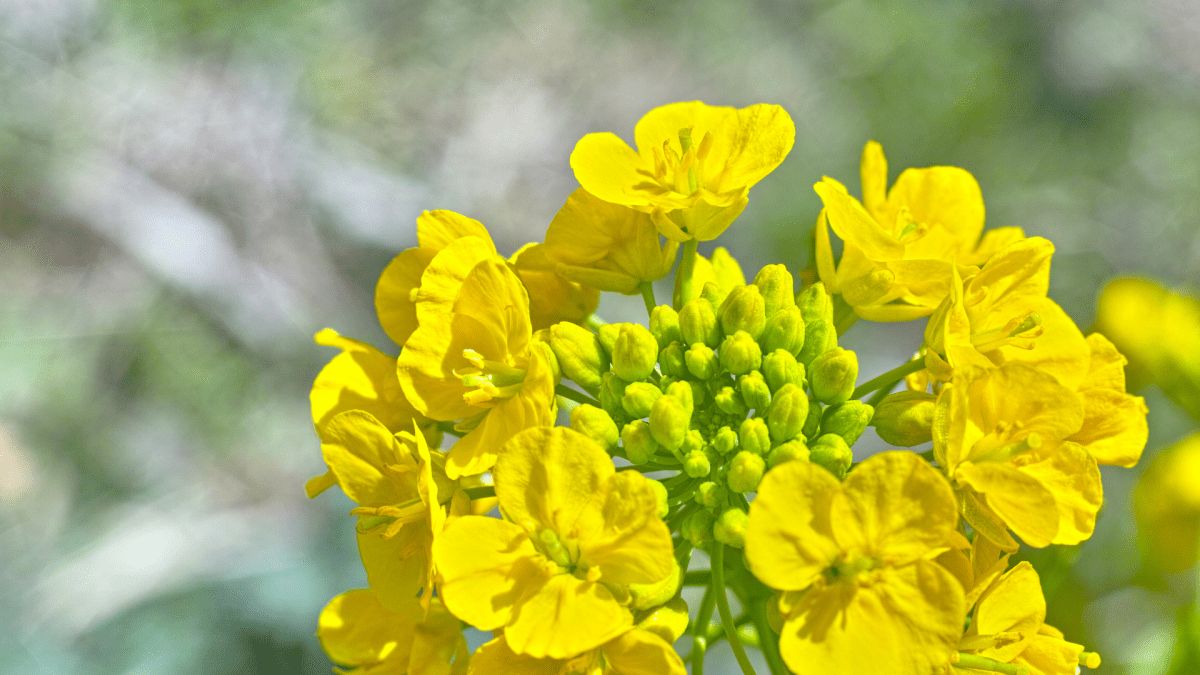
Rapeseed has become the main driver of profitability in russian crop production amid the declining appeal of grains and unstable margins for other oilseeds. In 2026, the country’s rapeseed area expanded by around 900 thsd ha, while the crop’s production geography continued to widen.
Russian farmers are increasingly replacing grains with oilseeds. According to spring planting data, the area under grains and pulses decreased by 6% in 2026, while oilseed plantings expanded by 6.3%. Farmers are primarily reducing wheat acreage due to low domestic prices and limited export opportunities.
Demand for rapeseed is supported by crushing plants that process the crop and export rapeseed oil. However, further production growth carries risks: the domestic rapeseed oil market remains small, while exports depend heavily on a single major buyer — China.
Sunflower seed no longer guarantees consistently high returns. Its attractiveness depends on prices, demand from processors and crushing plant operations, as processors may suspend purchases during certain periods. Russia’s soybean area decreased by 12.6% to 4.17 mln ha in 2026 following a record crop and weaker prices in the previous season.
Corn, barley, peas and other pulses also retain commercial potential in the medium term due to domestic and export demand. However, there are almost no crops offering guaranteed profitability on the russian market, forcing producers to consider access to processing, sales channels and the risks of dependence on individual importers.
Read also
Coming Up in UkrAgroConsult Reports: Key Market Signals
Dragon Capital forecasts reopening of Black Sea grain corridor in 2027
Iran and Afghanistan are the only markets where Russian wheat has gained market share
USDA raises US corn production forecast
Global palm oil stocks to fall to lowest level since 2017/18 — USDA




Got additional questions?
We will be happy to assist!
Write to us
Our manager will contact you soon