

Railway chaos in Russia disrupts export shipments
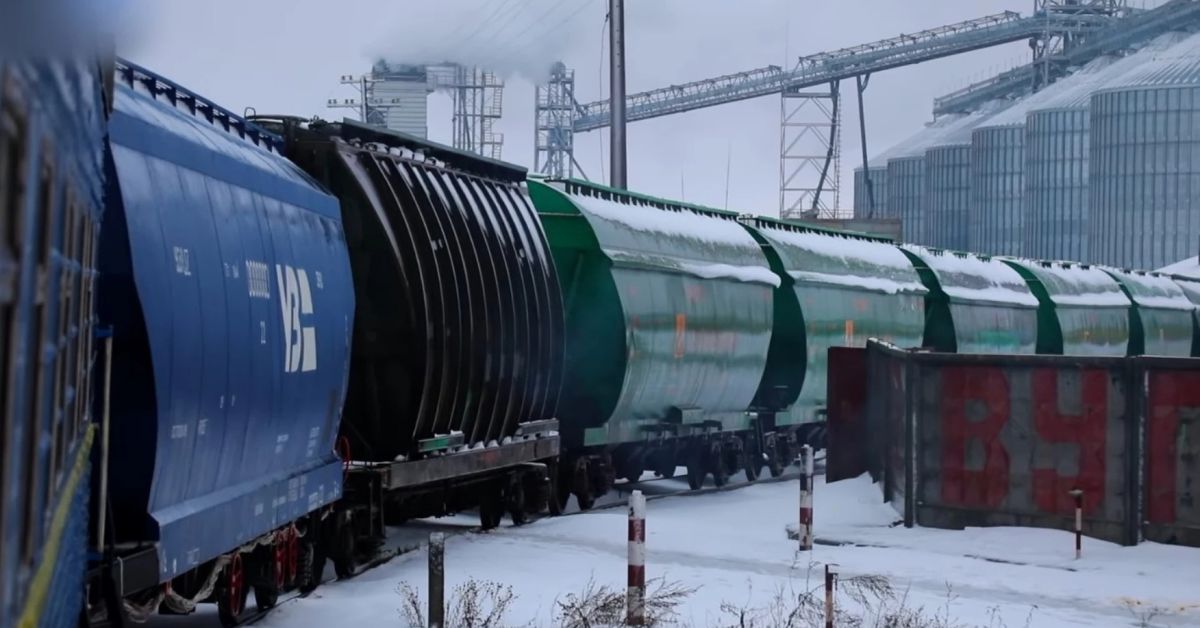
The redirection of Russian export flows from ports in the Azov–Black Sea basin to the Baltic Sea and Far East has caused severe congestion on Russia’s railway network. Restrictions affecting Black Sea ports, declining shipments through these facilities, and growing pressure on alternative routes have left exporters facing transportation delays, rolling stock shortages, and rising logistics costs. According to Ukraine’s Foreign Intelligence Service, railway operators are increasingly refusing to approve shipping requests and canceling previously issued transportation permits.
The situation is further complicated by intensifying competition among exporters of grain, fertilizers, coal, and steel products for railway capacity and access to ports. In August, freight traffic through major checkpoints in northwestern Russia increased by 18.8%, with grain shipments rising sixfold, ferrous metal shipments up 91.6%, and coal shipments increasing by 56.7%. In early October, grain cargoes were given higher priority on the railway network, tightening capacity restrictions for other export sectors.
The redistribution of transportation capacity has already disrupted fertilizer shipments and reduced coal transportation. Urea producers have reported delays of one week to one month in deliveries to Baltic ports. Meanwhile, rail shipments of coal to Baltic ports were reportedly scheduled to be reduced by 80% in October. Limited railway capacity has left wagons waiting for movement and unloading permits, while cargoes continue to accumulate at loading stations.
Railway congestion has also driven a sharp increase in logistics costs. In October, daily rental rates for container flatcars rose by 26% to RUB 1,600 ($19), reaching RUB 5,000 ($60) on some routes. Grain transportation in hopper wagons to Baltic ports became 25% more expensive, while container transportation costs increased by 57.4%, from RUB 270,000 ($3,257) to RUB 425,000 ($5,127). Road transportation cannot fully compensate for railway restrictions, as its cost per ton-kilometer is 2.5–3 times higher.
For Russia’s agricultural sector, the railway crisis creates additional risks of declining exports and accumulating grain stocks. Shipment delays and rising delivery costs to ports are weakening the competitiveness of Russian grain in international markets, while volumes that cannot be exported remain on the domestic market, putting further pressure on procurement prices. Continued competition for transportation capacity among the agricultural, coal, steel, and chemical industries could further complicate Russia’s export logistics.
Read also
NATO strengthens Black Sea presence following series of attacks on ships
Cheap Russian sunseed displaces domestic supplies at Kazakhstan’s crushing p...
Ukraine’s sugar beet area may increase by 10–15% in 2027
India halves sunflower oil imports in September
Mushroom production in Ukraine approaches pre-war levels




Got additional questions?
We will be happy to assist!
Write to us
Our manager will contact you soon