

Port shutdowns leave over 10 mln tons of grain in storage in southern Russia
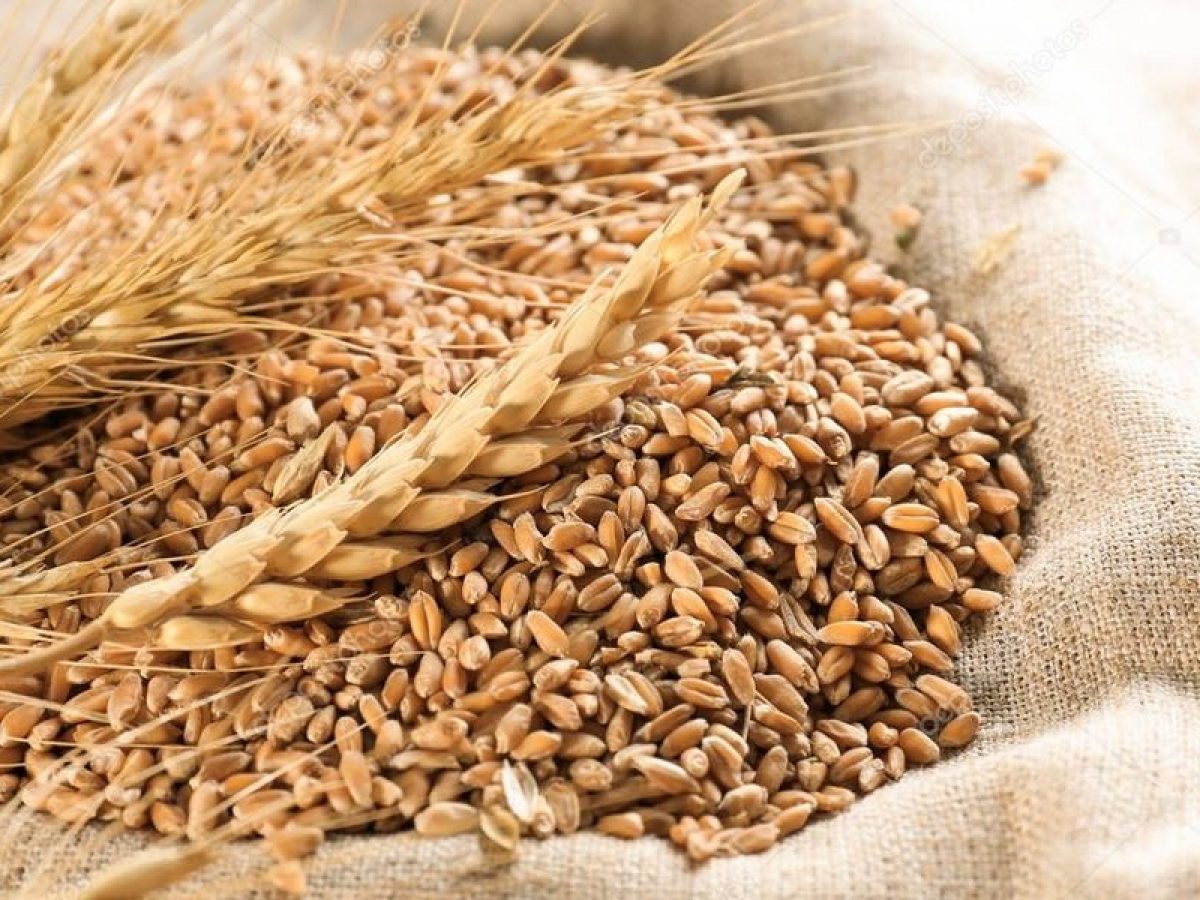
The shutdown of some ports in the Azov-Black Sea basin and disruptions to shipping have led to a sharp accumulation of grain in southern Russia. By the end of August 2026, grain and pulse stocks held by agricultural organizations in the Southern Federal District exceeded 10 mln tons, nearly one-third more than a year earlier.
Across Russia, grain and pulse stocks at large and medium-sized agricultural organizations totaled around 41 mln tons, up 9% year on year. A similar situation was seen in 2022, when stocks in the Southern Federal District also approached 10 mln tons.
The main reason for the accumulation of grain has been drone attacks on infrastructure in the Azov-Black Sea basin, which resulted in port shutdowns and shipping disruptions. A state of emergency was introduced in the Rostov region at the end of August and in the Krasnodar region at the end of September.
In the first half of July, only 1–1.5 mln tons of agricultural products were exported through Azov Sea ports, compared with a normal pace of around 3 mln tons per month. At the same time, transshipment through Novorossiysk directly from railcars may cost up to $50/t or more, compared with an average of about $7/t through storage facilities in Azov previously.
If export restrictions persist, grain stocks may continue to rise. This would increase storage costs and tie up producers’ working capital, which experts say could negatively affect preparations for the 2027/28 sowing campaign.
Read also
Malaysia’s palm oil stocks hit a record high
September rains improve winter crop sowing conditions across most of Ukraine
Uzbekistan opens a new window for russian wheat: temporary outlet or a shift in re...
Russia begins attacking vessels off the coasts of Romania and Bulgaria
Brazil’s soybean crushing capacity rises 13%




Got additional questions?
We will be happy to assist!
Write to us
Our manager will contact you soon