

Plant-based meat and dairy alternatives face higher VAT in 12 EU countries
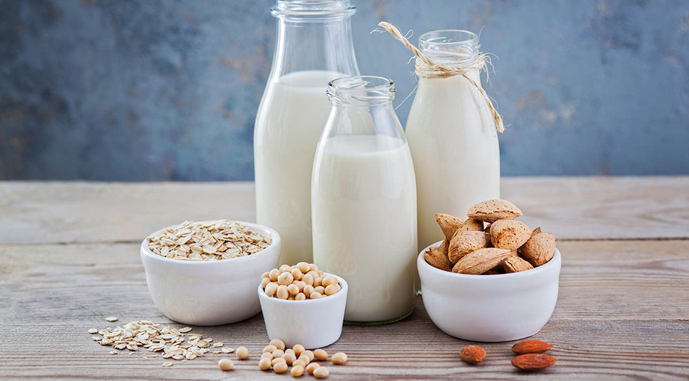
In 12 of the European Union’s 27 member states, value-added tax (VAT) rates on certain plant-based alternatives to meat and dairy products are higher than those applied to their animal-derived equivalents. This is according to a study by the European Vegetarian Union (EVU), which examined 33 food categories, including 15 pairs of comparable plant-based and animal-derived products. Plant-based milk alternatives face the most widespread tax disadvantage, with higher VAT rates applied in eight EU countries. Among the product pairs examined, the study found no cases where a plant-based product was subject to a lower VAT rate than its animal-derived equivalent.
The largest difference was recorded in Hungary, where plant-based substitutes for milk, meat and fish are taxed at 27%, compared with 5% for their animal-derived counterparts. In Italy, VAT on plant-based milk alternatives stands at 22%, while cow’s milk is taxed at just 4%. In Portugal, meat and seafood substitutes are subject to a 23% VAT rate, compared with 6% for conventional products. In Croatia, VAT on several plant-based alternatives reaches 25%, while the corresponding animal-derived products are taxed at 5%.
These tax policies directly affect retail prices for consumers. According to EVU calculations, assuming identical pre-tax prices, plant-based alternatives in Hungary cost approximately 21% more at retail than their animal-derived equivalents. The tax-related price premium reaches around 19% in Croatia, 17.3% in Italy and 16% in Portugal. The main reasons for these differences include outdated food classification systems and reduced VAT rates that often apply only to traditional animal-derived products.
Meanwhile, the experience of European retail chains highlights the significant impact of pricing on demand for plant-based foods. In Germany, Lidl recorded a 30% increase in sales of its plant-based range over six months after aligning prices with comparable animal-derived products. In Austria, Billa reported a 47% increase in sales of its own-brand plant-based products following a similar pricing adjustment. Higher demand associated with lower prices for plant-based meat and dairy alternatives was also observed in France and Italy.
The European Vegetarian Union is calling for harmonized taxation of plant-based and animal-derived products and common EU guidelines for their classification. Current EU legislation allows member states to independently apply reduced or zero VAT rates to food products, meaning the identified differences are primarily linked to national tax rules. According to the organization, aligning VAT rates would improve access to alternative protein sources, expand consumer choice and support the development of Europe’s plant-based food market.
Read also
Algeria purchases over 700 thsd tons of wheat in tender
Malaysia’s palm oil exports surge 56%, but stocks reach record high
South Korea to increase wheat imports to 4.6 mln tons amid growing demand for flou...
Kazakhstan increases linseed exports by 62%, shifting shipments toward China
Rising gas costs and falling prices complicate corn harvest in Poland




Got additional questions?
We will be happy to assist!
Write to us
Our manager will contact you soon