

Pakistan prepares another change to its government wheat procurement system
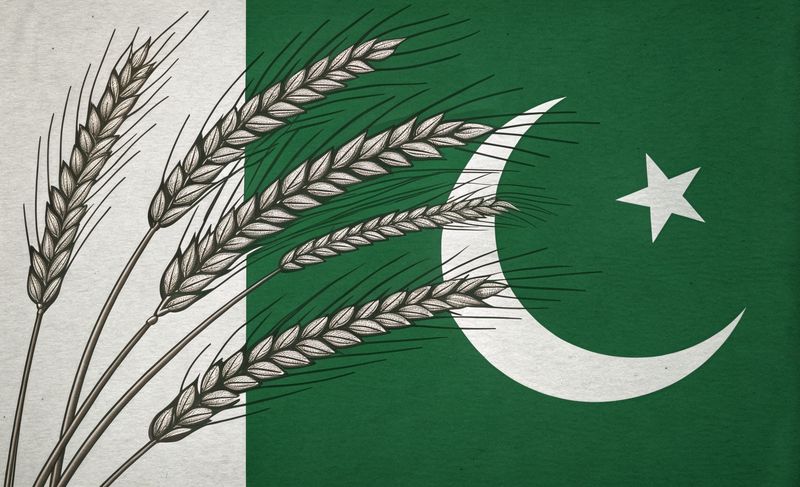
Pakistan is considering a return to large-scale government wheat procurement in the MY 2027/28 following several years of changes in grain market regulations. Under preliminary plans, the government food department may purchase 2.5 mln tons of wheat at a price of Rs 4,500 per 40 kg, using its own financial resources. However, the final procurement framework has yet to be determined, raising concerns among farmers and flour millers.
According to the Progressive Flour Millers Group (PFMG), the government has repeatedly changed its approach to wheat market regulation since the MY 2024/25. In 2024, authorities abandoned state grain procurement, minimum support prices and subsidies, effectively initiating market deregulation. The decision was made shortly before the harvest, leading to a sharp decline in wheat prices due to the absence of a major government buyer and increasing financial pressure on farmers.
In the following season, the government encouraged flour mills to increase wheat purchases to support the domestic market. However, after stocks had been accumulated, a maximum retail flour price of Rs 3,000 per 40 kg was imposed. PFMG representatives said the measure worsened operating conditions for processors and resulted in significant financial losses. Another attempt to organize procurement through government-appointed aggregators at an indicative price of Rs 3,500 per 40 kg also failed due to insufficient financing. As a result, actual purchases were negligible compared with the planned 3 mln tons.
The possible resumption of direct government wheat procurement now raises new questions about financing and the consistency of agricultural policy. In particular, it remains unclear how the government intends to purchase 2.5 mln tons of grain while meeting its commitments to international lenders to reduce subsidies and state intervention in the market. Flour milling industry representatives fear that another change in the rules could once again affect prices and investment decisions across the grain sector.
PFMG emphasizes that the main problem is not deregulation itself but the lack of a consistent and predictable government policy. According to processors, frequent changes in procurement and pricing mechanisms complicate long-term planning, undermine investor confidence and create risks for the country’s food security. The industry is calling on the government to establish a clear wheat market framework that provides stable conditions for grain producers, processors and consumers.
Read also
Ukraine`s vegetable oil exports: priority regime and capacity
Corn prices in India surge 50%, increasing pressure on bioethanol producers
Indonesia plans to reduce soybean meal imports by using palm-based feed ingredients
Kernel-Trade to issue $50 mln in foreign currency bonds to finance agricultural op...
Global dairy prices rise 3% at GDT auction




Got additional questions?
We will be happy to assist!
Write to us
Our manager will contact you soon