

New aviation biofuel technology could reduce dependence on vegetable oils
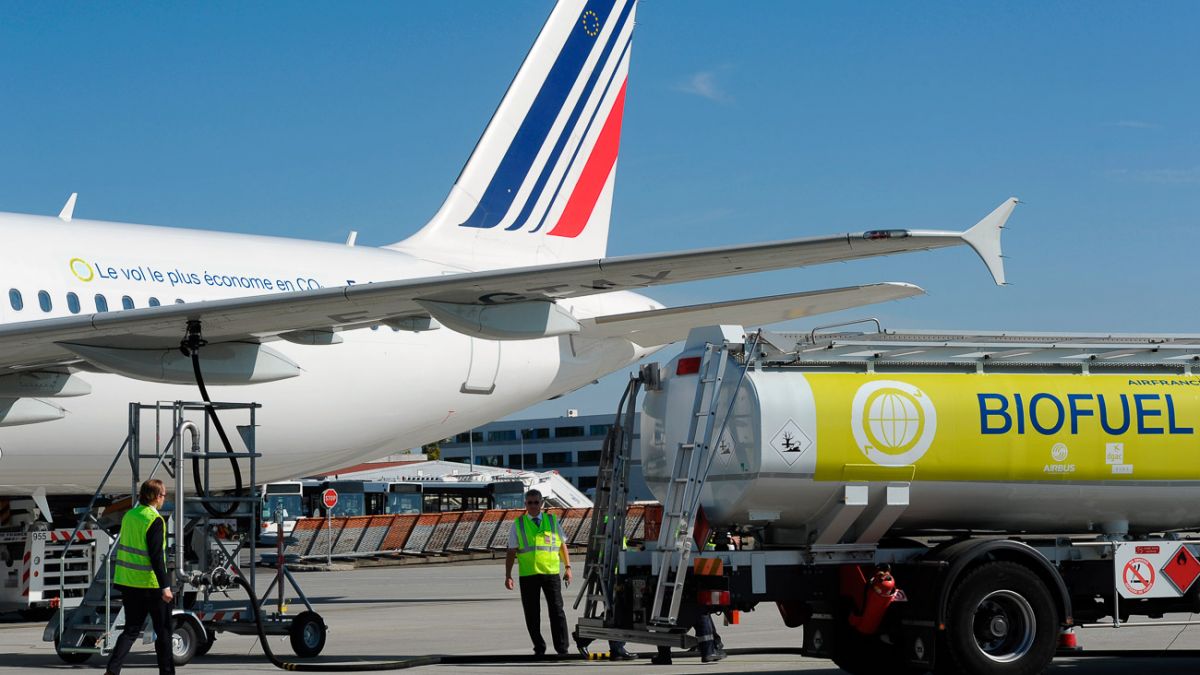
Singapore Airlines has signed an agreement with Aether Fuels to purchase up to 4.8 thsd tons of next-generation sustainable aviation fuel (SAF) over a three-year period starting in 2028. The project will use biomethane and industrial waste gases instead of conventional vegetable oil- and fat-based feedstocks. This could expand the range of raw materials available for aviation biofuel production and reduce the industry’s dependence on limited supplies of oils and fats.
The fuel will be produced at Project Beacon, a facility being developed by Aether at Aster’s refining complex on Singapore’s Pulau Bukom island. Singapore Airlines will become the first airline to purchase fuel from the plant. Aether will use its Aurora technology, based on a modified Fischer–Tropsch process, to convert waste-derived gases into liquid aviation fuel.
Unlike the widely used hydroprocessed esters and fatty acids (HEFA) technology, which processes vegetable oils, used cooking oil and animal fats, the new method relies on alternative carbon sources. This could reduce competition for oils and fats between SAF producers and other industries, as supplies of these feedstocks remain limited. The fuel produced at the facility is expected to be certified under the international Carbon Offsetting and Reduction Scheme for International Aviation (CORSIA).
Aether also plans to launch its first large-scale commercial SAF production facility by 2031. Its capacity is expected to be at least ten times greater than that of Project Beacon. The expansion is intended to increase the availability of alternative aviation fuel and support the industrial-scale deployment of the new technology.
Singapore Airlines considers SAF development a key part of its strategy to achieve net-zero carbon emissions by 2050. Meanwhile, alternative aviation biofuel technologies could become an important long-term factor for the global vegetable oil market. Although production volumes from such projects remain relatively small, scaling them up could diversify SAF feedstocks and reduce dependence on vegetable oils.
Read also
Low Danube water levels limit Serbia’s grain export capacity
India’s Rabi sowing falls nearly 46% behind last year’s pace
Sulina Canal to close for four days due to adverse weather
Bulgaria more than doubles corn production as sunflower harvest rises nearly 80%
Cotton prices in China decline amid rising inventories and weak demand




Got additional questions?
We will be happy to assist!
Write to us
Our manager will contact you soon