

Mandatory biofuel use could worsen global food crisis — study
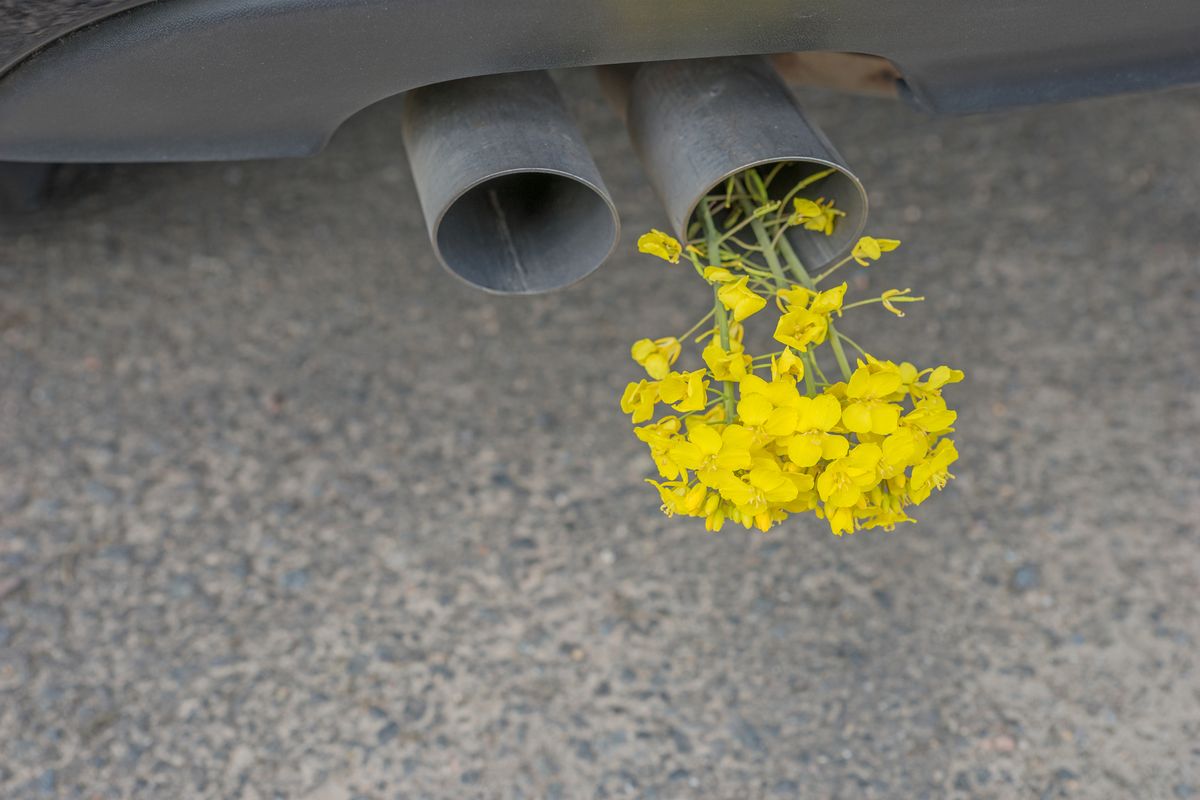
Tighter global biofuel mandates could deepen food insecurity and fertilizer shortages already exacerbated by the ongoing Middle East crisis, according to a study published by Transport & Environment. Researchers argue that increasing volumes of agricultural commodities and production inputs are being diverted from food production toward meeting transportation fuel targets.
The analysis warns that if proposed biofuel blending requirements are fully implemented, global demand for biofuels could rise by 70% by 2030. This would intensify competition for crops, fertilizers, and farmland at a time when supply chains remain under pressure due to disruptions affecting the Strait of Hormuz.
According to the study, current biofuel mandates consume around 6.6 million tonnes of nitrogen, phosphate, and potash nutrients annually. This represents approximately 5% of global fertilizer consumption and is equivalent to about half of total fertilizer exports from the Middle East.
The impact is particularly significant in countries with aggressive biofuel policies. The report estimates that Indonesia allocates about 17% of its fertilizer supplies to biofuel production, while the figure reaches 11% in the United States. Researchers say this highlights a growing conflict between energy security objectives and food security needs.
The study also found that biofuel mandates account for demand equivalent to roughly 40% of global inventories of key agricultural commodities. Major exporters such as Brazil and Indonesia are increasingly redirecting supplies to domestic biofuel markets, reducing export availability and tightening global supplies.
Vegetable oils and sugar are among the commodities facing the greatest pressure, as they serve as key feedstocks for biodiesel and ethanol production. At the same time, countries including the United States, Brazil, India, and Indonesia continue to expand biofuel blending targets in an effort to reduce dependence on fossil fuels.
Researchers estimate that if biofuels were to account for 20% of global diesel and gasoline demand, production volumes would need to increase fivefold. Achieving this would require an additional 130 million hectares of agricultural land—an area roughly equivalent to the size of South Africa—raising concerns about deforestation, soil degradation, water depletion, and biodiversity loss.
The report also highlights the sector’s dependence on imported fertilizers. Leading biofuel-producing regions source nearly half of their fertilizer imports from the Middle East, China, and Russia. The authors recommend prioritizing food production over first-generation biofuels during supply shocks, introducing emergency safeguards in biofuel policies, and accelerating investment in transport electrification and alternative renewable energy sources.
For almost 30 years of expertise in the agri markets, UkrAgroConsult has accumulated an extensive database, which became the basis of the platform AgriSupp.
It is a multi-functional online platform with market intelligence for grains and oilseeds that enables to get access to daily operational information on the Black Sea & Danube markets, analytical reports, historical data.
You are welcome to get a 7-day free demo access!!!
Read also
Monthly Report «VegOil Market Risk Navigator for Ukraine»
Turkey’s sunseed production may increase by 24% in MY 2026/27
USDA keeps Kazakhstan wheat export forecast at 9.5 mln tons
High fertilizer prices push US farmers to cut corn acreage
Drought and corn shortages paralyze Sudan’s feed industry




Got additional questions?
We will be happy to assist!
Write to us
Our manager will contact you soon