

Lower Acreage and Higher Yields Expected for Wheat in S. Brazil
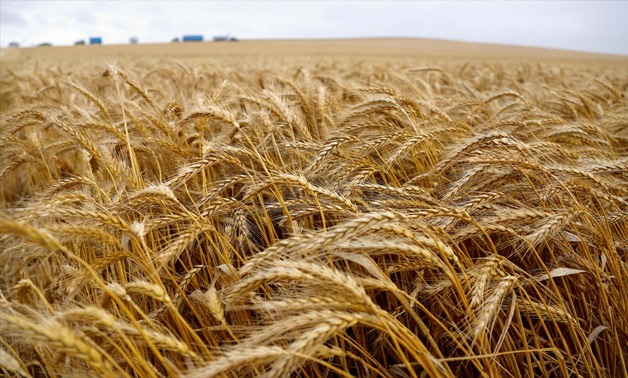
The southernmost state of Rio Grande do Sul is Brazil’s largest wheat producing state and in the municipality of Ijui in northern Rio Grande do Sul, farmers have reduced their winter wheat acreage by as much as 30% due to problems during planting, low wheat prices, and high production costs. Instead of wheat, some producers opted to plant more canola instead.
Farmers who planted their wheat in early June encountered problems with germination and stand establishment due to heavy rainfall that caused extensive erosion that washed away seed and fertilizers. Some farmers replanted their wheat while others left it alone not wanting to spend additional money.
In their July Crop Report, Conab estimated that farmers in Rio Grande do Sul would plant 1.34 million hectares of wheat (3.31 million acres), which is down 10.6%. The average wheat yield in the state is estimated at 3,120 kg/ha (46.4 bu/ac), which is up 61% compared to the 2023 drought plagued crop. The 2024 wheat production is estimated at 4.18 million tons, which is up 44.5%.
Rio Grande do Sul is expected to plant 43% of Brazil’s 2024 wheat with the state of Parana is expected to plant 37%. The states in southeastern Brazil, including Minas Gerais and Sao Paulo, are expected to plant 5.2% of Brazil’s wheat while the center-west region including the states of Mato Grosso do Sul, Goias, and the Federal District, are expected to plant 9.1% of the total.
Read also
Russia has yet to agree to any of the proposed options for a new grain deal — Zele...
India’s soybean production to decline by 2% despite expanded acreage
Brazil increases corn exports, adding pressure on global prices
Romania proposes joint NATO command to protect the Black Sea
Drought in India threatens sugar and biofuel production




Got additional questions?
We will be happy to assist!
Write to us
Our manager will contact you soon