

Lithuania seeks EU-wide ban on Russian grain transit
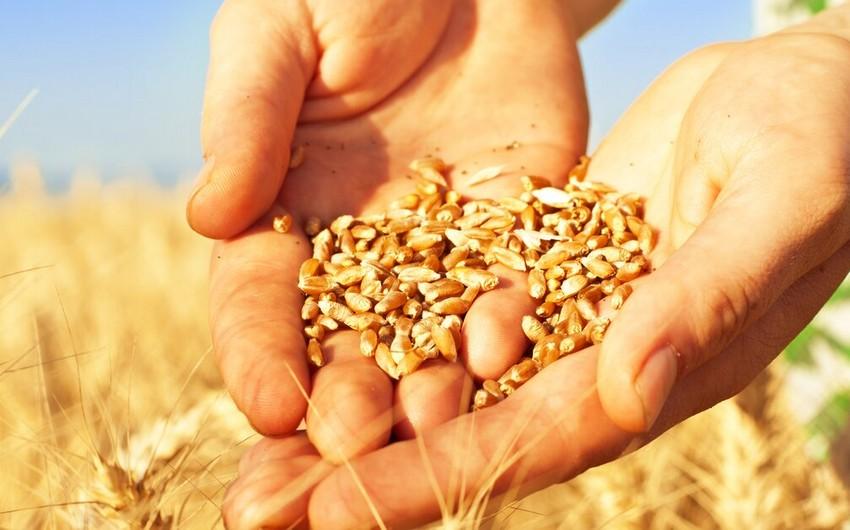
Lithuania plans to propose an EU-wide ban on Russian grain transit and sanctions against representatives of Russia’s agricultural sector who support the war against Ukraine. According to Bloomberg, Lithuanian Prime Minister Mindaugas Sinkevičius announced the initiative, calling the current situation unacceptable, as Russian grain continues to transit through EU territory because food products are not subject to EU sanctions.
The Lithuanian government intends to propose not only restrictions on the transit of Russian-origin grain but also the inclusion of specific Russian agribusiness figures involved in supporting Russia’s war efforts on EU sanctions lists. Sinkevičius noted that he had repeatedly discussed the issue with Latvia’s leadership and that the two countries share the same position.
Lithuania’s initiative comes as Russian grain exporters increasingly shift shipments from the Black Sea to alternative routes, particularly through Baltic ports. Logistics disruptions in the Azov-Black Sea basin have prompted Russian exporters to make greater use of the Baltic route, raising concerns among regional countries about the continued transit of Russian agricultural products.
Estonia previously banned the transit of grain originating from Russia and Belarus through its territory. The restrictions cover cereals classified under commodity group CN 10 and are intended to prevent Estonia from becoming a new route for Russian grain exports. Before the ban was introduced, such shipments through Estonia were virtually nonexistent.
Latvia has also tightened controls on grain transit from third countries, allowing authorities to verify its origin and conduct laboratory testing. The aim is to identify grain originating from temporarily occupied Ukrainian territories that may be transported under Russian documentation. However, Latvia’s existing ban on imports of Russian and Belarusian agricultural products does not extend to transit shipments destined for third countries. Lithuania insists that effectively restricting these flows requires a coordinated decision at the EU level.
Read also
Central Asia becomes a key market for Kazakh barley
China expects rapeseed imports to increase in Q4
Ukraine plans to increase agricultural exports via Hamburg and Rostock ports
Record crop, narrow exit: what will shape Ukraine’s wheat market in 2026/27
Russia disrupts sunflower oil shipments to India amid port problems




Got additional questions?
We will be happy to assist!
Write to us
Our manager will contact you soon