

Lebanese farmers cut wheat planting amid lack of government purchases
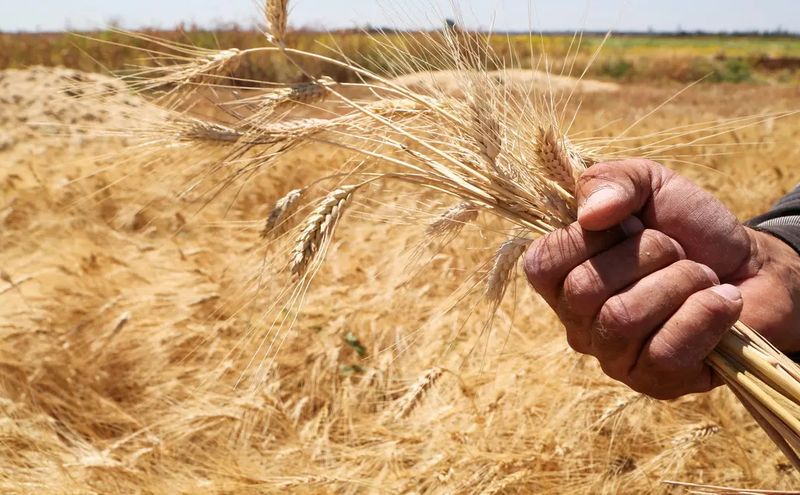
Farmers in Lebanon are reducing wheat planting areas due to the suspension of guaranteed government purchases and a lack of funding to support producers. Mohammad Husseini, head of the Southern Lebanon Farmers’ Union, that the government has not purchased wheat from local farmers for two consecutive years because of budget shortages, prompting growers to reduce planting.
Previously, Lebanese farmers could sell wheat to the government at subsidized prices, ensuring a stable market for their crops. Imported wheat is now cheaper than locally produced grain, increasing competition in the domestic market. In addition, a significant share of wheat grown in Lebanon consists of durum varieties, while the country relies heavily on imported soft wheat for bread production.
Most of Lebanon’s wheat-growing areas are concentrated in the Bekaa Valley in the eastern part of the country, where terrain conditions allow the use of agricultural machinery. Grain cultivation is less widespread in southern Lebanon, where farmers prefer more profitable crops, including vegetables, bananas and fruit trees.
According to a joint assessment by FAO and the World Food Programme (WFP), Lebanon’s wheat production fell by approximately 41% in 2024 to 94 thsd tons, compared with 159 thsd tons a year earlier. In 2025, total grain production declined to around 90 thsd tons, almost 50% below the long-term average.
Experts cite drought, high production costs, the impact of military operations and restricted access to farmland among the main reasons for declining output. With domestic production falling, Lebanon remains dependent on grain imports. According to official customs data cited by FAO, the country imported around 600 thsd tons of wheat in the 2024/25 season.
Read also
Russian exporters shift to sunflower oil and meal supplies to Kazakhstan after sun...
Brazil’s soybean planting ahead of last year, while exports slow
Russia allows grain vessels to leave the Sea of Azov for the first time since July
Turkey warns Ukraine and Russia against further attacks on ships in the Black Sea
More than 20 thsd freight wagons accumulate at Ukraine’s western rail border...




Got additional questions?
We will be happy to assist!
Write to us
Our manager will contact you soon