

Iran softens its position on unblocking the Strait of Hormuz
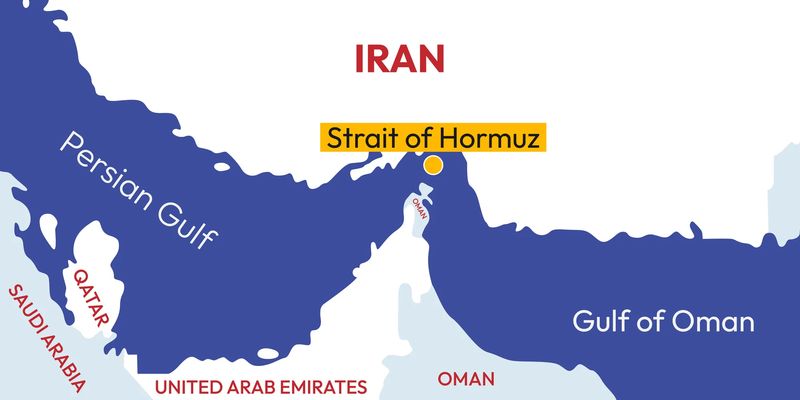
Tehran is ready to consider the possibility of free passage of merchant ships through the Omani side of the Strait of Hormuz. The initiative was announced as part of negotiations with the United States as a step towards stabilizing the region. This is reported by Reuters.
Iran’s main condition is to reach a comprehensive agreement that would prevent the resumption of armed conflict after the end of the current ceasefire.
The war between the United States, Israel and Iran has led to the most serious disruptions in oil and gas supplies in history.
The blockade of the strait, through which a fifth of the world’s energy traffic passes, has left hundreds of tankers and about 20,000 sailors stranded in the Persian Gulf since late February.
Despite a two-week ceasefire in effect since April 8, control of this waterway remains the main obstacle to a final end to the war.
The Iranian plan would allow ships to use routes in Omani territorial waters without the risk of attack from Tehran.
It is unclear whether this permission would extend to ships linked to Israel, or whether Iran would commit to clearing mines planted in the region.
Western security sources have confirmed that the proposal is already under consideration, although there has been no official response from the White House.
The initiative marks a softening of Tehran’s stance, which had previously threatened to impose a unilateral toll for passage through international waters and declare full sovereignty over the strait.
The UN’s International Maritime Organization has already rejected Iran’s attempts to change shipping rules, calling them a dangerous precedent. The proposal to use the Omani side of the strait could be the first step towards restoring the traffic separation scheme that has been in place since 1968.
While diplomats negotiate peace terms, the United States continues to maintain a blockade of oil ships leaving Iranian ports. All other shipping in the region has remained virtually paralyzed in recent months.
Restoring free access to the strait, which is only 34 kilometers wide, is critical not only for the oil market, but also for the supply of mineral fertilizers and other strategic goods.
Read also
Romania plans to restrict unscheduled freight train access to Constanta port
Global blueberry market faces tighter supplies and rising prices
China’s used cooking oil exports surge 55%, with Europe becoming the largest...
Kazakh flaxseed prices surge in Europe amid transit restrictions
Global food inflation intensifies amid declining grain shipments and rising logist...




Got additional questions?
We will be happy to assist!
Write to us
Our manager will contact you soon