

Indonesia prepares palm oil traceability system ahead of EUDR implementation
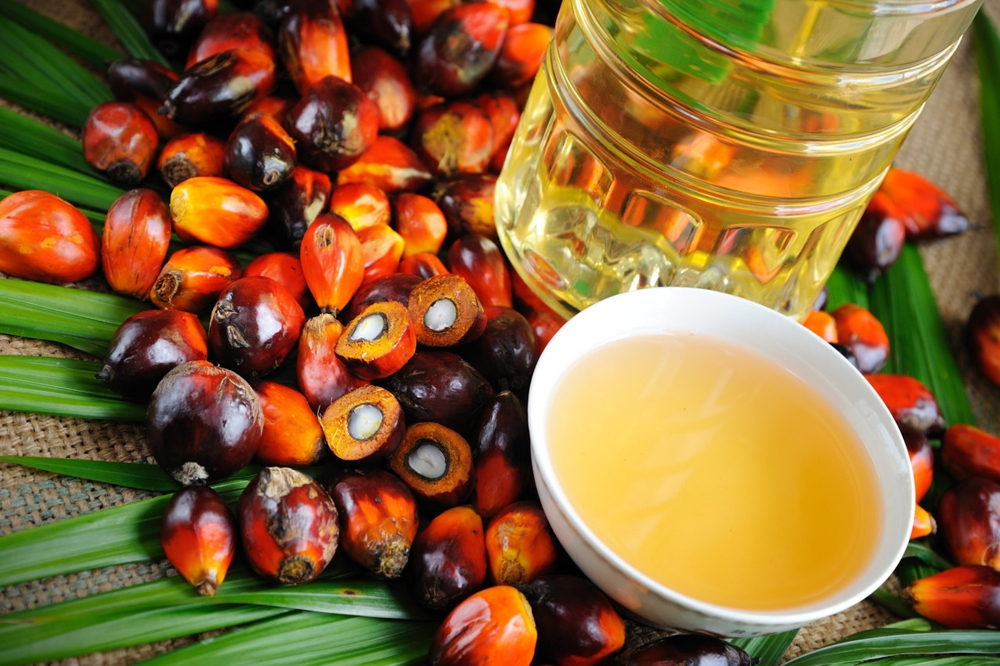
Indonesia is finalizing the development of its national palm oil traceability platform, SI-ISPO, which will enable the tracking of products throughout the entire supply chain, from plantations to exports. The platform is expected to become operational before December 30, 2026, when the EU Deforestation Regulation (EUDR) begins to apply to large and medium-sized companies. The announcement was made by Dida Gardera, an official at Indonesia’s Coordinating Ministry for Economic Affairs, during the Indonesian Palm Oil Conference (IPOC 2026) in Bali.
The new system is primarily designed to ensure compliance with international environmental requirements and improve supply chain transparency. It will provide producers, traders, and international buyers with verified data on palm oil origins, including information on land plots and compliance with sustainable production principles. Under the EUDR, products entering the EU market must be accompanied by evidence that their production is not linked to deforestation after December 31, 2020. The regulation will begin to apply to most small enterprises on June 30, 2027.
One of Indonesia’s main challenges is ensuring that smallholders are included in the new monitoring system. Independent farmers manage approximately 42% of the country’s oil palm plantation area, making their participation essential to maintaining the industry’s export potential. The government has introduced financial support measures for these producers, including full coverage of Indonesian Sustainable Palm Oil (ISPO) certification costs through state funds and other legally authorized sources.
The modernization of the ISPO framework is being carried out under Presidential Regulation No. 16 of 2025. The updated rules extend certification requirements beyond plantations to include palm oil processing facilities and bioenergy producers. In addition, mandatory product traceability is being introduced through an integrated digital information system. The state agency BPDP has been appointed to manage the platform, while PT Sucofindo has been selected as its technical operator.
By 2029, Indonesia aims to integrate data from nearly all palm oil industry stakeholders into the SI-ISPO system. The initiative is expected to strengthen the competitiveness of Indonesian palm oil in international markets, simplify raw material origin verification, and ensure the continued participation of smallholders in global supply chains. For the world’s largest palm oil producer, improving traceability is becoming an important tool for maintaining access to the European market amid increasingly stringent environmental regulations.
Read also
India’s milk production growth to slow in 2027 due to drought
Pakistan approves first agricultural biotechnology policy to expand GM crop use
China and Saudi Arabia sharply cut purchases of Russian poultry meat
Brazil’s wheat crop to fall by a third as imports rise, Conab says
Ukraine supplies half of EU rapeseed imports despite October export decline




Got additional questions?
We will be happy to assist!
Write to us
Our manager will contact you soon