

India slaps 30 per cent import duty on yellow peas
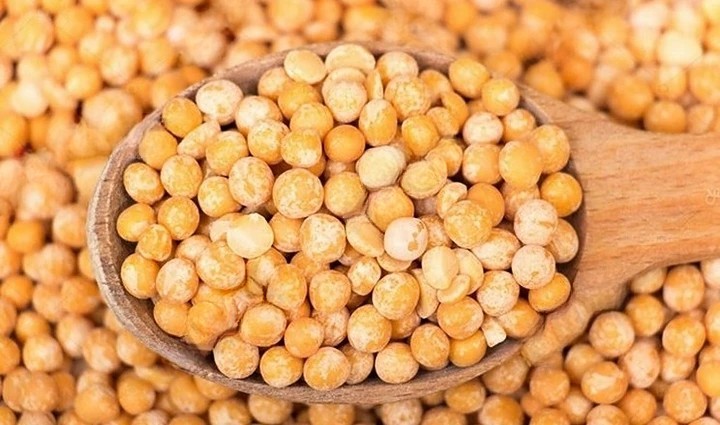
The yellow pea market just received another gut punch.
India has imposed a 30 per cent duty on yellow pea imports with a bill of lading date on or after Nov. 1, 2025.
“It is disappointing to hear,” said Derek Squair, president of Exceed Grain Marketing.
“It’s going to be very hard on yellow peas. That’s a big market for us.”
Why it Matters: Canada desperately needed the Indian market because it is shut out of China.
Canada is now facing trade-reducing tariffs in both of its top markets.
China imposed a 100 per cent tariff on Canadian peas in March in response to Canada’s tariffs on Chinese electric vehicles, steel and aluminum.
The trade barriers are taking a toll on yellow pea prices, which are already down 34 per cent from a year ago, according to Saskatchewan Agriculture.
“Typically, we’re $10 per bushel off the combine and we’re quite a bit lower than that,” said Squair.
Stat Publishing lists the average medium No. 1 yellow pea bid at $6.95 per bu. as of Oct.29.
Vivek Agrawal, director of JLV Agro, an Indian commodity brokerage firm, said farmer unions in India pressured the government to implement the duty.
“They already filed a cast against the Government of India to put a duty on yellow peas,” he said.
They believe the duty-free imports were depressing prices for other pulses like chickpeas and pigeon peas, forcing them below the government’s minimum support price.
“The pulses market was feeling the pressure,” he said.
Agrawal thinks the 30 per cent duty will be in place for at least a year. But he doesn’t think it will completely halt trade with Canada, although it will force exporters to drop their prices.
“There is an impact, but not a very major impact,” he said.
Squair said there are markets for split peas in the United States and other countries, but Canada does not have a lot of processing capacity.
He thinks peas will have to head into the feed market, driving down the price of competing feed crops such as barley even further. Feed crops were already under pressure from the massive U.S. corn crop.
Competing ingredients such as feed wheat and distillers grains are selling for around $225 per tonne, which works out to about $6.12 per bu.
Squair doesn’t think yellow pea prices will drop that low, but that’s what they’re competing with in the feed market.
Agrawal said the Indian government is also discussing increasing the import duty on lentils. The current duty is 10 per cent.
He thinks the government could increase the duty to 20 or 30 per cent in about a month after the yellow pea duty has been absorbed by the market.
For almost 30 years of expertise in the agri markets, UkrAgroConsult has accumulated an extensive database, which became the basis of the platform AgriSupp.
It is a multi-functional online platform with market intelligence for grains and oilseeds that enables to get access to daily operational information on the Black Sea & Danube markets, analytical reports, historical data.
You are welcome to get a 7-day free demo access!!!
Read also
Romania proposes joint NATO command to protect the Black Sea
Drought in India threatens sugar and biofuel production
Record sunseed harvest in Russia threatens to drive down prices in Kazakhstan
Corn drying costs in Ukraine could exceed the value of the grain at current prices
Oilseeds remain the only profitable segment of crop production in Russia




Got additional questions?
We will be happy to assist!
Write to us
Our manager will contact you soon