

India cuts oilmeal exports by 65% amid competition from Argentina and Brazil
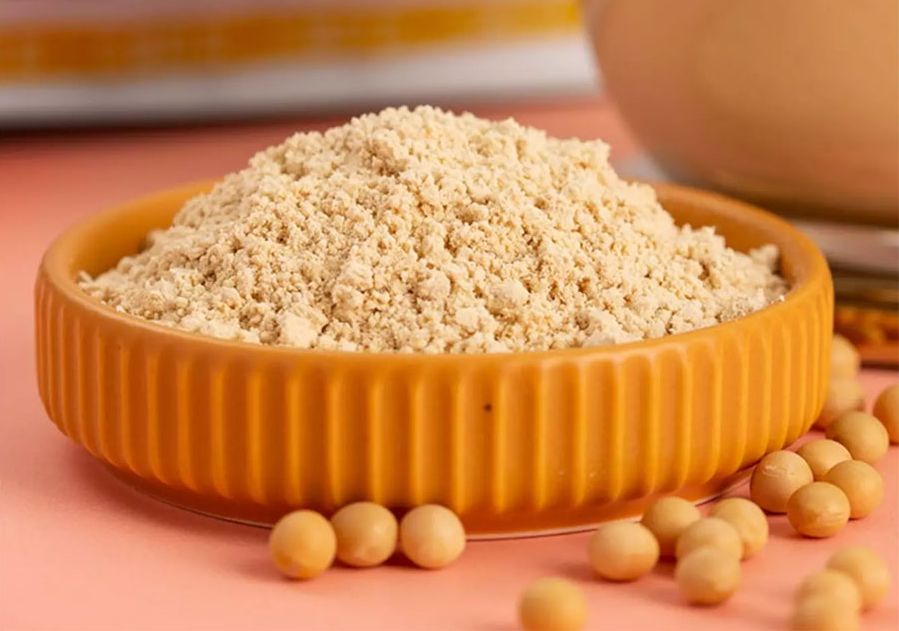
India’s oilmeal exports fell by 65% in July 2026 compared with the same month last year, declining to 148 thsd tons from 422 thsd tons. The main reasons were uncompetitive prices for Indian soybean meal, increasing supplies of cheaper products from Argentina and Brazil, and rising maritime transportation costs. This was reported by the Solvent Extractors’ Association of India (SEA).
Soybean meal shipments recorded the sharpest decline, with exports plunging nearly 90% in July, from 183.6 thsd tons to 17.8 thsd tons. Indian soybean meal was offered at approximately $613/t, compared with international market prices of around $428/t. This price gap effectively made Indian supplies uncompetitive in export markets. Strong domestic demand from poultry and livestock feed manufacturers added further pressure.
The situation was complicated by shipping disruptions in the Red Sea, which forced carriers to use longer routes. This increased transportation costs and delivery times, particularly for shipments to Europe and West Asia. Meanwhile, India’s rapeseed meal exports more than halved in July, falling from 209.1 thsd tons to 96.5 thsd tons.
During April–July of the MY 2026/27 , India’s total oilmeal exports declined by 27% to 1.105 mln tons, compared with 1.516 mln tons a year earlier. Soybean meal shipments fell from 676 thsd tons to 187 thsd tons. At the same time, rapeseed meal exports increased from 740 thsd tons to 756 thsd tons, partially offsetting losses in the soybean meal segment.
China, Bangladesh and Vietnam remained the main buyers of Indian oilmeals during April–July. China increased imports to 355 thsd tons from 283 thsd tons a year earlier, with rapeseed meal accounting for almost the entire volume. Bangladesh purchased 172 thsd tons compared with 147 thsd tons, while Vietnam imported around 108 thsd tons. Despite continued demand from Asian countries, high prices and logistics costs continue to limit export opportunities for Indian producers, particularly in the soybean meal segment.
Read also
Philippine soybean meal imports may rise 10% in 2027
Ukraine open to transitional arrangements for agriculture in EU accession talks
Coordination failures on Romanian railways slow Ukrainian grain shipments
Fruit and vegetable producers shift focus from premium products to production resi...
Iran’s wheat planting at risk amid delays in government payments to farmers




Got additional questions?
We will be happy to assist!
Write to us
Our manager will contact you soon