

Grain prices remain stable in India amid conflict in the Middle East
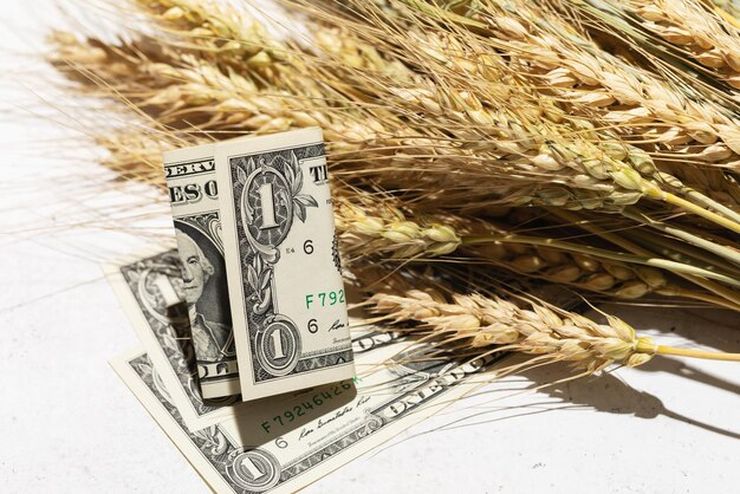
Resilience is being ensured by sales from government reserves in the open market, noted S. Shikha, a spokesperson for the Ministry of Consumer Affairs, Food and Public Distribution.
Indian authorities are closely monitoring the food security situation in the country amid tensions in the Middle East, and grain prices in India remain stable. This was stated at a briefing by S. Shikha, a spokesperson for the Ministry of Consumer Affairs, Food and Public Distribution. Indian authorities are closely monitoring the food security situation in the country amid tensions in the Middle East, and grain prices in India remain stable. This was stated at a briefing by S. Shikha, a spokesperson for the Ministry of Consumer Affairs, Food and Public Distribution.
“Price stability is being ensured by sales of grain from government reserves in the open market. Prices remain stable,” she said.
According to Shikha, government reserves currently amount to approximately 22.2 million tonnes of wheat and 38 million tonnes of rice. “A total of approximately 60.2 million tons, which is approximately three times higher than the established buffer stock standards,” she emphasized.
Shikha also noted that the National Food Security Act continues to support vulnerable groups.
Read also
EU risks becoming dependent on China amid aviation fuel feedstock shortages
Ukraine to compensate shipowners for up to 80% of losses from Russian attacks
Soybean cultivation in Europe shifts north due to drought
Global beef production to decline by more than 3% for the first time in five years
Indonesia launches new palm oil export monitoring system




Got additional questions?
We will be happy to assist!
Write to us
Our manager will contact you soon