

Global pork sector faces cautious outlook for 2026 – Rabobank
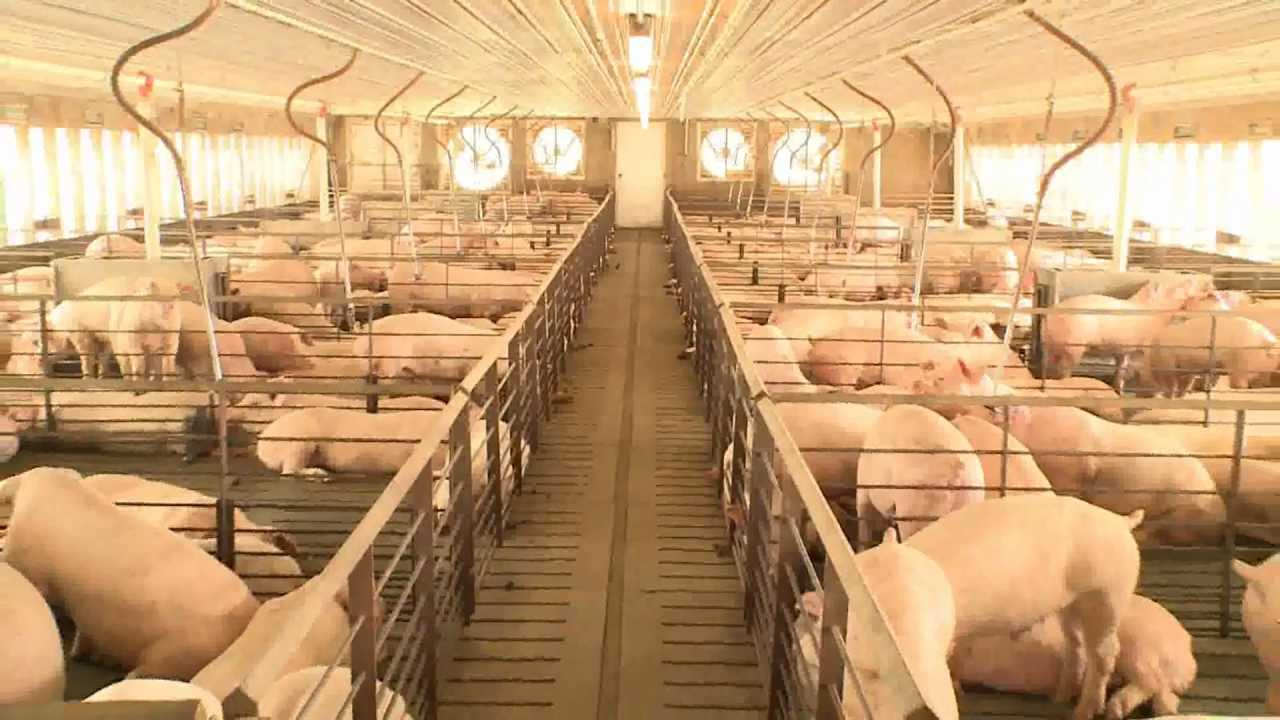
According to a recent RaboResearch report, the global pork industry is navigating an uncertain outlook, with limited sow herd growth reflecting the impact of fluctuating trade dynamics and ongoing health challenges. Despite these headwinds, the sector is focusing on productivity improvements and strategic market expansion to maintain profitability and meet demand.
The global sow herd is projected to decline in 2026, as producers face heightened uncertainty. While tighter competing meat supplies and lower feed costs will support a favourable margin environment for most producers, the industry remains cautious on herd expansion.
“The industry is increasingly prioritising productivity enhancements, herd health, and optimising carcass weights to counterbalance limited herd growth,” said Christine McCracken, Senior Analyst – Animal Protein for RaboResearch.
Notably, China’s policy to reduce sow numbers by 1 million, approximately 2.5% of its current base, will result in a 1% reduction in global sow numbers. However, Brazil’s continued sow herd growth, fuelled by favourable margins and robust export growth, partially offsets this decline.

Global pork trade has seen a 3% year-over-year increase through June, with expectations to end 2025 at or slightly above previous levels. Brazil stands out as a key beneficiary, poised to expand its market share from 12% to 15% of total global pork volumes by 2025. According to McCracken, this success is attributed to Brazil’s strategic efforts to broaden market access and diversify export relationships. Meanwhile, geopolitical tensions persist, with the US and EU facing trade challenges with key export markets, including China.
Herd health was a significant disruptor of production and trade over the past year, but the early signs point to a more stable outlook in 2026. Disease losses earlier in 2025 have constrained pork supplies in most of the top production regions.
African swine fever (ASF) continues to pose challenges, particularly in Vietnam, which reported over 970 cases and the loss of over 100,000 pigs in 2025. Despite efforts to enhance biosecurity and implement vaccine protocols, the virus remains difficult to control. Europe also faces ASF challenges, with Romania and Germany experiencing new outbreaks in their commercial herds.
Additionally, foot-and-mouth disease (FMD) and porcine reproductive and respiratory syndrome (PRRSv) are impacting production, with PRRSv driving notable losses in North American and European markets.
“Pork prices are strong as demand growth outpaces supply in most markets. Key production regions, including the EU and North America, have seen pork inventories drop, leading to price increases of 10% and 21% year-to-date, respectively,” says McCracken.
Conversely, China’s pork prices have dropped 42% year-over-year due to increased production efficiency. While pork consumption remains steady, inflationary pressures could dampen sales in late 2025 and early 2026. Despite these economic challenges, limited global beef and chicken supplies are expected to support pork consumption, although premium and export-dependent cuts may face downward pressure.

For almost 30 years of expertise in the agri markets, UkrAgroConsult has accumulated an extensive database, which became the basis of the platform AgriSupp.
It is a multi-functional online platform with market intelligence for grains and oilseeds that enables to get access to daily operational information on the Black Sea & Danube markets, analytical reports, historical data.
You are welcome to get a 7-day free demo access!!!
Read also
Romania plans to restrict unscheduled freight train access to Constanta port
Global blueberry market faces tighter supplies and rising prices
China’s used cooking oil exports surge 55%, with Europe becoming the largest...
Kazakh flaxseed prices surge in Europe amid transit restrictions
Global food inflation intensifies amid declining grain shipments and rising logist...




Got additional questions?
We will be happy to assist!
Write to us
Our manager will contact you soon