

Egypt’s GASC to suspend price advantage for NNC in wheat import shipments
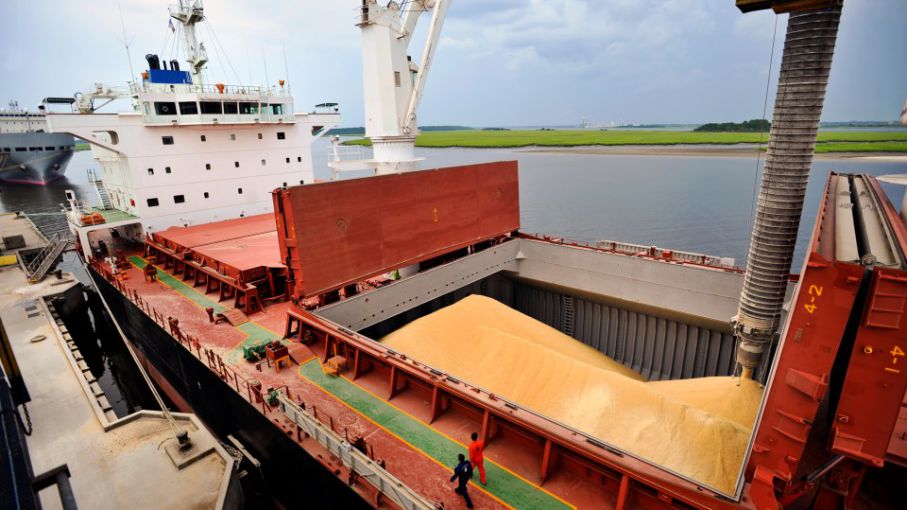
Egypt’s state commodities buyer GASC is to suspend a 15% price advantage given to Egyptian state shipping line National Navigation Company (NNC) to transport wheat GASC has purchased in its tenders, traders in Egypt and Europe said on Tuesday.
The change will take place starting from GASC’s next purchase tender, they said.
When it tenders to buy wheat, GASC operates a parallel freight tender to buy ocean shipping capacity. But offers by other shipping companies in the freight tender are generally thin because of the price advantage given to NNC.
“For me it looks like a move to reduce shipping costs of wheat imports by increasing competition,” a European trader said. “Shipping costs at this time are very high.”
GASC said it had no comment.
GASC has traditionally used Egyptian state-owned ships to carry its wheat imports to support Egyptian jobs. But traders say the policy results in higher ocean shipping prices than seeking ships on the open market.
Ocean shipping prices have surged in past months, adding extra costs for grain importers. Prices for ocean dry bulk carriers hit 13-year-highs in October as global economies, especially in Asia, recovered from the pandemic coupled with congestion and long waiting times in Chinese ports.
In June, GASC permitted wheat trading houses participating in its tenders to offer prices for ocean shipment for their own consignments. Many grain trading houses have their own shipping departments.
But price advantages given to Egyptian ships in GASC tenders means the change had only a minor impact, with few wheat trading houses offering ships.
“The question is whether any increased competition with more offers from mainstream bulk carrier ship owners will cut GASC’s shipping costs,” one European trader said. “The impact of any extra competition would need to be larger than the ending of the 15% price lead.”
Read also
Argentina increases sunseed harvest to a record 6.8–8 mln tons
Argentina plans to increase soybean crush and exports in 2026/27
Japan resumes imports of Ukrainian poultry meat and eggs after five-year ban
Iran urges Russia to strengthen Caspian ports and accuses Ukraine of obstructing t...
Soybeans could become one of the few profitable crops for Ukrainian farmers in 202...




Got additional questions?
We will be happy to assist!
Write to us
Our manager will contact you soon