

China cuts soybean imports amid high inventories and weak demand
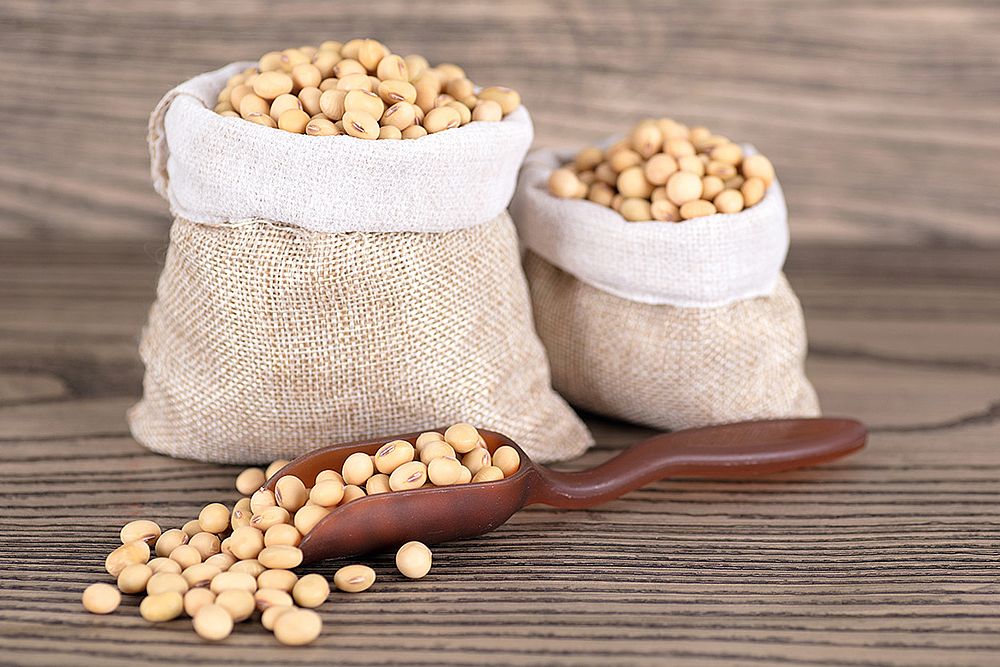
China’s soybean imports fell by 22.5% year-on-year in October 2026 to 7.35 mln tons, compared with a record 9.48 mln tons a year earlier. This was the lowest October volume since 2023. Shipments declined by 38% from September, while actual imports were significantly below analysts’ expectations of around 9.5 mln tons per month in the fourth quarter. The main factors behind the decline were high inventories at crushing plants, weak crushing margins and sluggish feed demand.
Another factor contributing to lower imports was reduced soybean availability on the international market. In October, supplies of old-crop Brazilian soybeans were gradually running out, while large-scale shipments of new-crop US soybeans had yet to begin. Meanwhile, trade restrictions and tariffs complicated purchases from the United States. Under these conditions, Chinese crushers postponed new contracts, relying on previously accumulated inventories while waiting for crushing economics to improve.
Despite the sharp decline in October arrivals, China’s cumulative soybean imports have fallen only moderately this year. During January–October 2026, the country imported 93.48 mln tons of soybeans, down 2.3% from the same period last year. Strong imports in previous months allowed crushing plants to build substantial inventories, but shrinking supplies from Brazil and limited access to US soybeans could create raw material supply risks toward the end of the year.
Developments in China’s livestock sector are adding further pressure to the market. Amid low pork prices and excess domestic supply, Chinese authorities are encouraging a reduction in the pig herd. As of the end of September, the breeding sow inventory stood at 36.02 mln head, down 10.7% from three months earlier. Analysts expect the overall pig herd to contract further in the fourth quarter of 2026 or early 2027, potentially limiting demand for compound feed and soybean meal.
Future trends in China’s soybean imports will depend on trade relations with the United States, crushing profitability and the availability of South American supplies. Purchases could recover in November–December if crushing margins improve and shipments stabilize. However, risks remain from delays in US export shipments, weather conditions during the South American planting season and the prospect of weaker demand from China’s pig farming sector.
Read also
Thailand’s biodiesel production and consumption to rise 22% in 2026
Ukraine’s share of EU millet imports nearly halves
Wheat futures end mixed, while corn and soybeans decline in Chicago on Monday
China shifts pumpkin seed exports from Europe to Asian markets
Lithuania could delay Russian grain exports for months over origin checks




Got additional questions?
We will be happy to assist!
Write to us
Our manager will contact you soon