

China shifts pumpkin seed exports from Europe to Asian markets
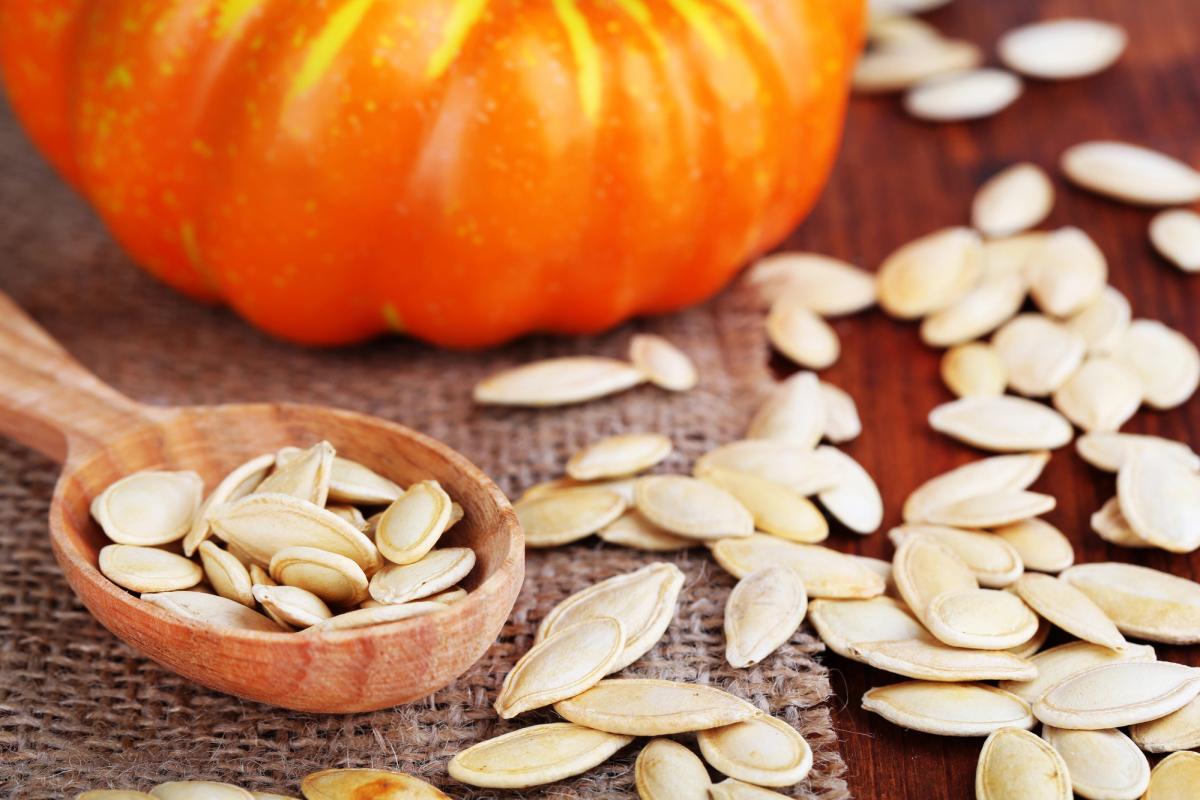
China is significantly reshaping its pumpkin seed export markets amid declining domestic production and rising prices. According to Mundus Agri, Chinese pumpkin seed shipments to Southeast Asia increased by 32% in volume during January–September 2026, while their export value rose by 50%. Meanwhile, exports to traditional Middle Eastern markets declined by 10%, and shipments to Europe fell by approximately 9%, indicating a gradual shift toward alternative export destinations.
India recorded the strongest growth in purchases of Chinese pumpkin seeds, with exports increasing by 93%. Shipments to Vietnam rose by 50%, Saudi Arabia by 49%, Mexico by 35%, Egypt by 30% and Turkey by 22%. At the same time, sales declined sharply in several traditional markets, with exports to Jordan falling by 72%, Bulgaria by 57%, Iraq by 52% and Iran by 41%.
These changes in export trade come amid a significant decline in China’s pumpkin seed production in 2026. Market conditions are particularly challenging for Shine Skin seeds and GWS kernels used in the food industry. According to Dipasa, only around 400 tons of GWS kernels meet European Union requirements for organic products this season, compared with approximately 5 thsd tons last year. As a result, the available supply of such products has fallen by about 92%.
Tight supplies of high-quality pumpkin seeds have led to substantial differences in export prices. In early November, Chinese Shine Skin Grade A seeds were offered at $2,350–3,800/ton FOB Dalian, while Grade AA products were priced at $4,100–4,300/ton. Snow White seeds were quoted at around $2,250/ton. Meanwhile, products without confirmed compliance with EU pesticide residue limits are sold at significantly lower prices than certified seeds.
Declining supplies and stricter quality requirements are creating additional challenges for Chinese exporters, particularly in the European market. At the same time, strong purchasing growth from India, Vietnam and other countries continues to support demand for Chinese pumpkin seeds. Future trade trends will depend on the availability of high-quality products, price competitiveness and importers’ food safety and certification requirements.
Read also
Wheat futures end mixed, while corn and soybeans decline in Chicago on Monday
Lithuania could delay Russian grain exports for months over origin checks
Egyptian urea prices rise to $535 per ton amid gas supply restrictions
Indonesia’s palm oil production could fall 10% in 2027 due to El Niño
Brazil sharply increases soybean and corn exports through northern ports




Got additional questions?
We will be happy to assist!
Write to us
Our manager will contact you soon