

Denmark collaborates with Colombia to improve swine health
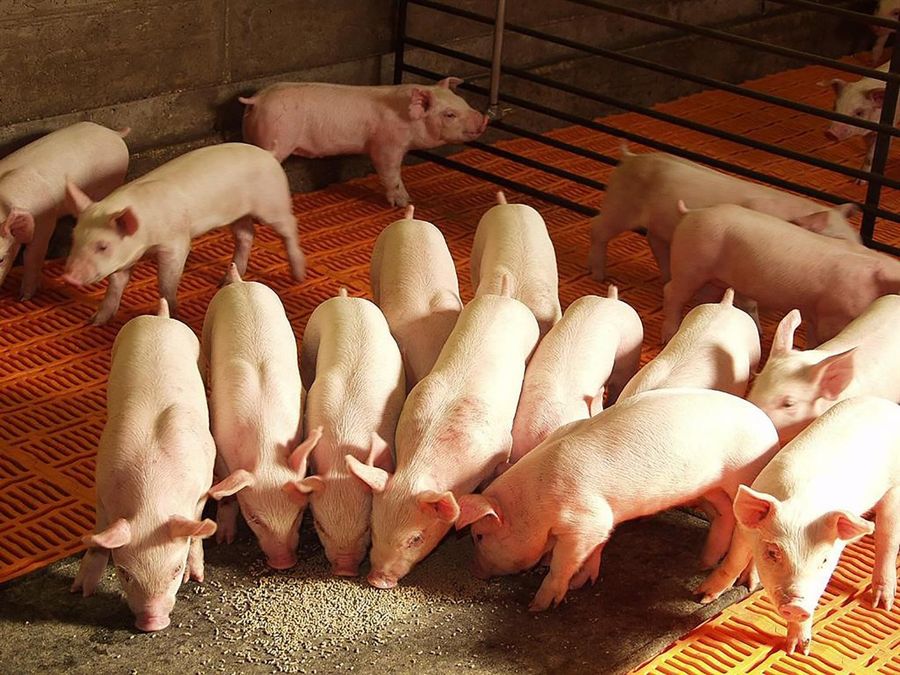
The Colombian Agricultural Institute (ICA), the National Institute for Food and Drug Surveillance (INVIMA) and the Danish Veterinary and Food Agency (DVFA) signed an agreement that promises to continue the cooperation between the two countries in veterinary and safety matters.
Denmark and Colombia began working together in 2016 under a cooperative program that focused on strengthening the pig sector through technical assistance and a scientific technical exchange, ICA said in a press release.
The partnership focuses on subjects such as inspection, surveillance, pathogens, animal welfare, animal disease outbreaks and risk prevention.
The objective of the agreement is to increase the competitiveness and sustainable development of the pig sector, to offer better products to Colombians, and to access new international markets.
“This agreement is the basis for further exploring how agricultural and food operations can be executed in a more efficient and climate-friendly way by sharing knowledge, regulatory pressures, experiences, data and best practices relevant to climate and environmental challenges and aspects related to food safety and food safety,” said ICA general manager Deyanira Barrero León.
“I am very happy and incredibly proud of the good results generated by the cooperation between Colombia and Denmark since 2016,” added Troels Vensild, head of international cooperation at the Danish Veterinary and Food Agency (DVFA). “Sharing knowledge is essential to create safer, more efficient and climate-friendly food production. This Memorandum of Understanding will provide the basis for encouraging best practices in veterinary matters and food safety.”
The previous agreements have made it possible to strengthen the control and inspection programs of the entire chain. They have also helped increase the competitiveness of the sector by improving aspects of production, including health, biosecurity and antimicrobial resistance.
The memorandum of understanding signed by the health agencies of both countries will be valid for five years.
Read also
Fertilizer consumption in Greece could decline by 40% due to high prices
Egypt increases soybean oil supplies to the EU eightfold amid declining Ukrainian ...
Bulgaria increases Ukrainian sunseed imports despite logistical challenges
India may increase rapeseed meal exports by nearly 10%
UK faces blueberry shortages amid declining exports from Peru




Got additional questions?
We will be happy to assist!
Write to us
Our manager will contact you soon