

Colombian farmers switch from coca to oil palm
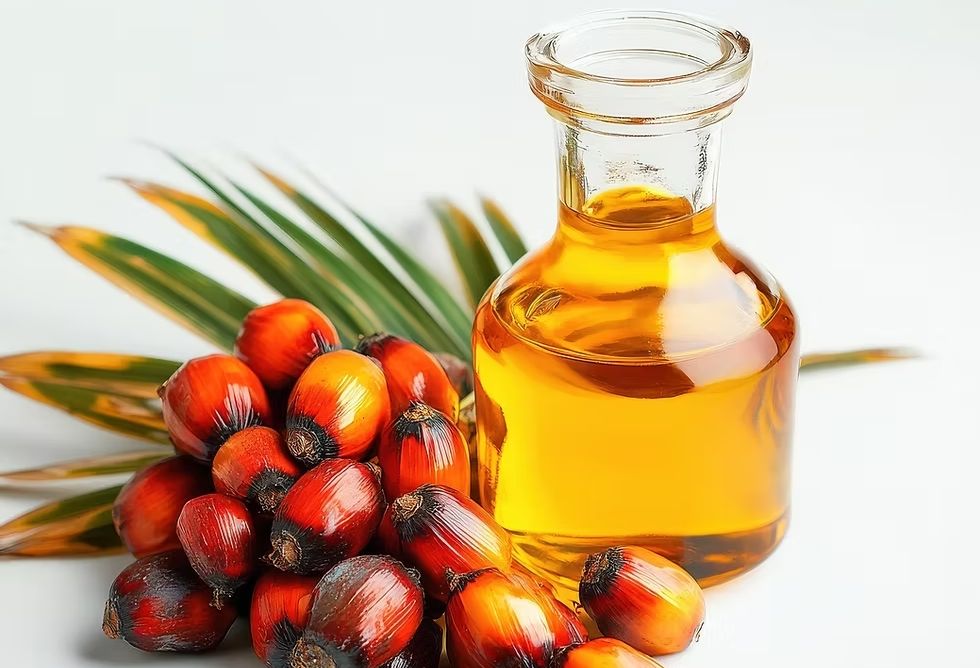
Colombian farmers are increasingly replacing coca plantations with oil palm. The shift from coca to alternative agricultural crops is supported by government policies that provide growers with subsidies, technical assistance and tax incentives.
Oil palm and cocoa are among the main alternatives for farmers. In San Pablo in northern Colombia, around 275 smallholder oil palm growers are already operating, nearly 90% of whom are independent farmers. According to the RSPO, the industry’s development is helping create jobs and has become an important source of income for the region.
Colombia is already Latin America’s largest palm oil producer. According to the National Federation of Oil Palm Growers, Fedepalma, the country had 609.1 thsd ha planted with oil palm in 2024, up 2.2% year-on-year.
Oil palm, along with coffee, is among the crops with the largest planted areas in Colombia. Further expansion of production is being supported by demand for palm oil in both domestic and international markets.
At the same time, the expansion of oil palm plantations is increasing attention to the environmental sustainability of production. Colombian producers are increasingly pursuing environmental certification and using satellite monitoring to tackle deforestation. Such standards are particularly important for palm oil exports to the European market, where sustainability requirements are becoming stricter.
Read also
Romania proposes joint NATO command to protect the Black Sea
Drought in India threatens sugar and biofuel production
Record sunseed harvest in Russia threatens to drive down prices in Kazakhstan
Corn drying costs in Ukraine could exceed the value of the grain at current prices
Oilseeds remain the only profitable segment of crop production in Russia




Got additional questions?
We will be happy to assist!
Write to us
Our manager will contact you soon