

Chinese researchers identify gene that increases protein in modern maize
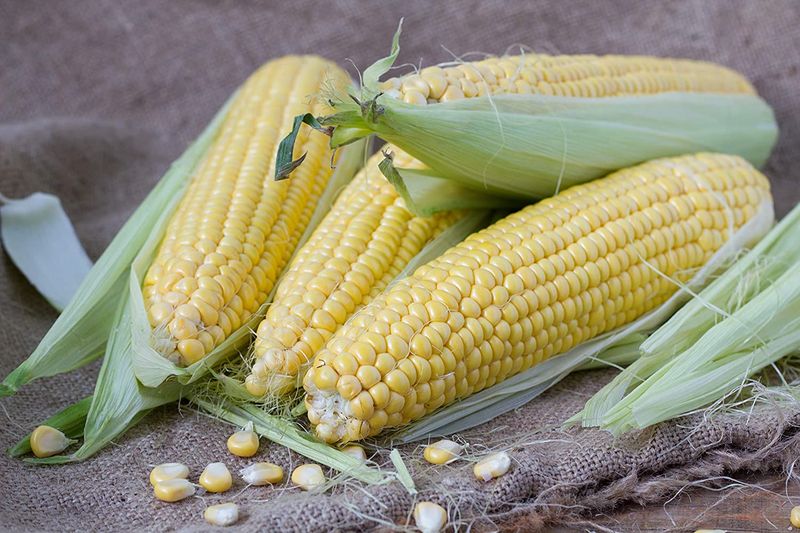
A Chinese group has identified a helpful gene from wild maize responsible for controlling the crop’s protein content.
The findings, published on Thursday in the journal Nature, open new avenues for increasing seed protein content and quality for future plant breeding.
The researchers from the Center for Excellence in Molecular Plant Sciences under the Chinese Academy of Sciences (CAS) and Shanghai Normal University recovered a gene called teosinte high protein 9 (THP9), which was lost in maize when the staple grain was domesticated from its wild ancestor during the past 9,000 years.
Teosinte, the wild ancestor of maize, has three times the seed protein content of most modern maize strains.
Plant breeders tend to prioritize starch yield as corn became a major source of livestock feed, making protein content and flavor a secondary concern.
The researchers in the study carried out large-scale gene sequencing and then zeroed in on significant high-protein chromosomal regions, according to the survey.
THP9 could encode an enzyme playing a significant role in the metabolism of nitrogen, according to the study.
In field trials conducted in the tropical island province of Hainan in south China, the maize strain hybridized with THP9 saw its protein content increase by 12.7 percent.
“There is economic and environmental pressure to maintain high-yielding maize while reducing the level of nitrogen applied to the soil,” said Wu Yongrui from CAS, who led the study.
The application of the strain may contribute to nitrogen-use efficiency and food security, said the researchers.
Read also
Ukraine’s oilseed harvest may reach 20 mln tons in 2026
Maersk revises container freight rates between Ukraine, Gdansk and Constanta
Egypt increases its share of EU urea imports to nearly 60%
Wet corn prices in Poland rise 58% year on year, dry corn up 42%
MHP considers investment in poultry production in Moldova with an annual capacity ...




Got additional questions?
We will be happy to assist!
Write to us
Our manager will contact you soon