

China’s pig industry enters a new phase
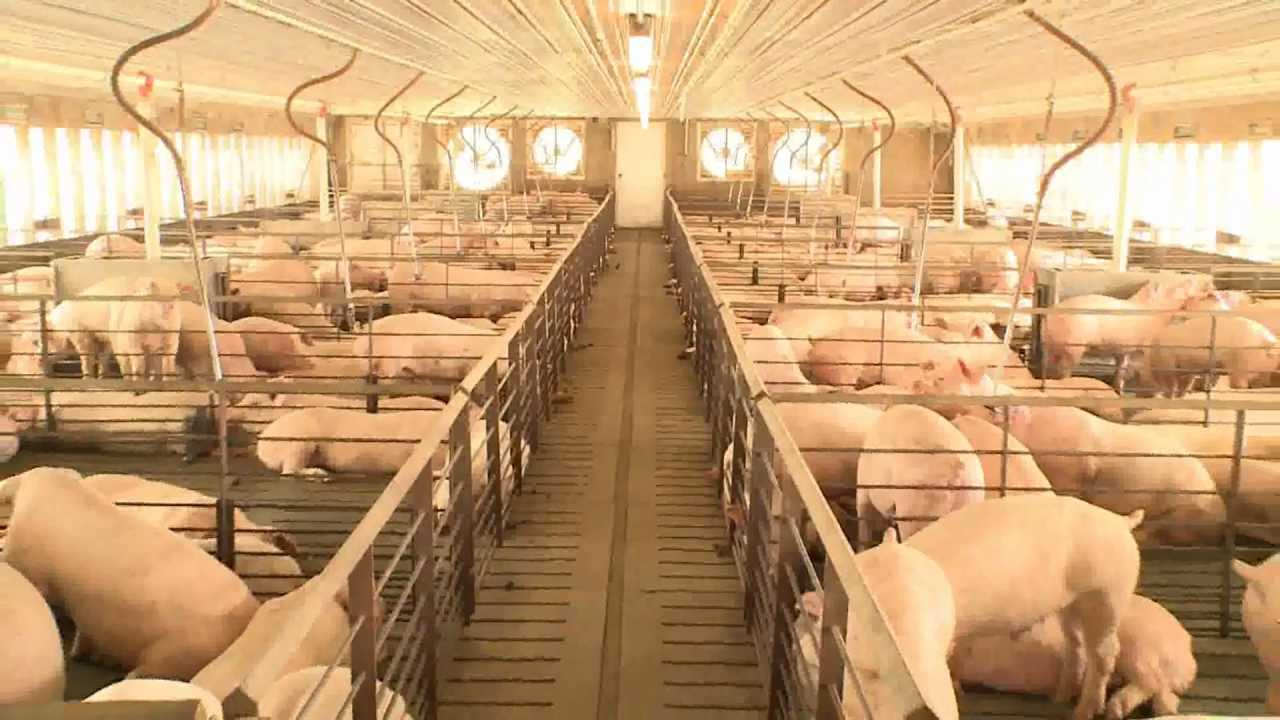
Agribusiness Rabobank has observed China’s pig industry to enter a “new phase.” The bank has been noticing that China’s swine industry is transitioning from rapid expansion to a focus on efficiency.
That is the key message of a recent report the bank released on the state of affairs in the world’s largest pig producing country. The bank’s senior analyst – animal protein, Chenjun Pan, points to 3 phases in the development of China’s pig industry.
In 2010, she writes, “large-scale and industrialised pork production” commenced, even though it still represented only a minor part of the country’s industry. Then, between 2019 to 2022, African Swine Fever (ASF) took over, leading to turbulence and market consolidation. Many smaller producers went out of business and the larger conglomerates could step in to fill the void. The third phase is where the industry has now ended up in – one that focuses on improving efficiency.
Chenjun Pan writes, “This change has been driven by external factors such as slowing demand and intensified production, as well as by proactive initiatives from leading players embracing new technologies.”
The bank expects to see a shift in ownership post-2025. Where large-scale enterprises (with more than 10,000 sows) used to be responsible for roughly 10% of the total pork production population prior to ASF – and smallholders up to 40% – , the bank foresees that going forward, about 40% of all pork production will take place in large-scale operations, with smallholders (under 50 sows) only taking roughly 10% of the inventory. One interesting aspect, the bank writes, is the fact that China has higher production costs than other pork producing countries.
The cost disadvantage has made China a “net importer” of pork. The bank further identifies the high cost of grains, a low feed conversion rate, inconsistent quality of genetics and biosecurity as reasons for those high costs. More automation and the introduction of smart farming practices might bring costs down a little in the future.
The shift to more efficiency and not per se growth will have implications for the global market, Rabobank writes. There is likely going to be a “slowdown in demand for soybeans and other feedstuffs from China’s animal feed sector. Chinese hog feed consumption will likely plateau and eventually decline.”
For almost 30 years of expertise in the agri markets, UkrAgroConsult has accumulated an extensive database, which became the basis of the platform AgriSupp.
It is a multi-functional online platform with market intelligence for grains and oilseeds that enables to get access to daily operational information on the Black Sea & Danube markets, analytical reports, historical data.
You are welcome to get a 7-day free demo access!!!
Read also
Global blueberry market faces tighter supplies and rising prices
China’s used cooking oil exports surge 55%, with Europe becoming the largest...
Kazakh flaxseed prices surge in Europe amid transit restrictions
Global food inflation intensifies amid declining grain shipments and rising logist...
India restricts sugar-based ethanol purchases and cuts corn ethanol price




Got additional questions?
We will be happy to assist!
Write to us
Our manager will contact you soon