

China expands waste oil processing for sustainable aviation fuel production
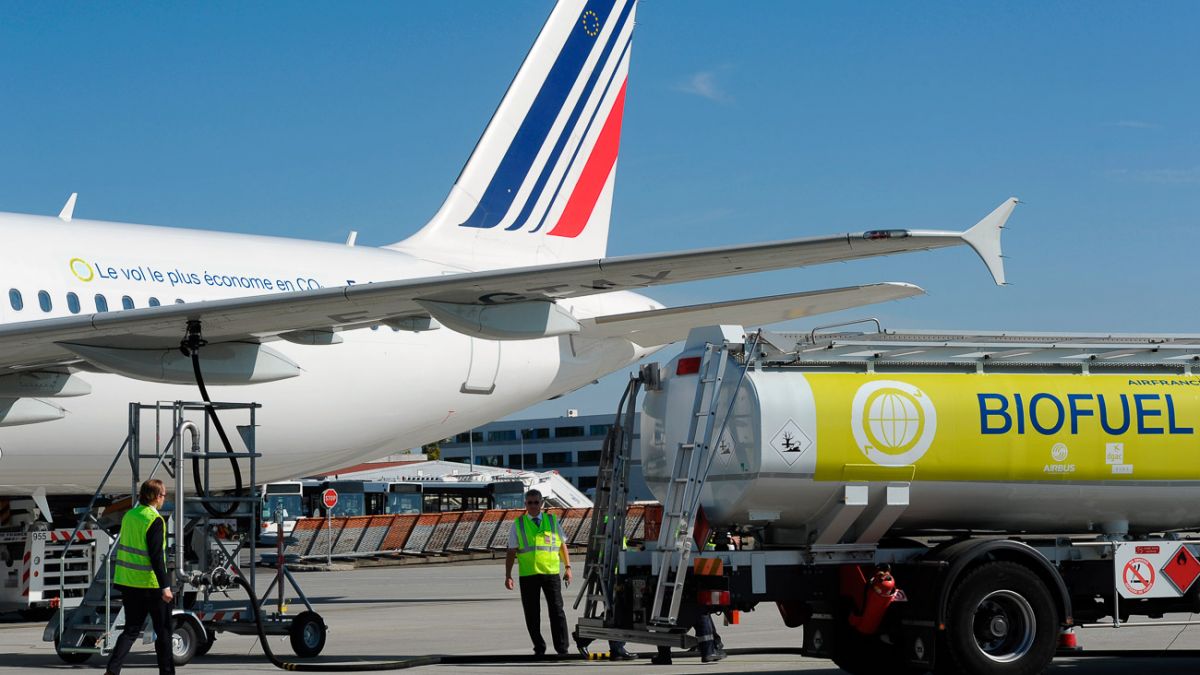
China is preparing to expand exports of sustainable aviation fuel (SAF) to the European Union and Southeast Asian markets. Zhejiang Jianglan Biotechnology is building a plant on Liuheng Island in Zhejiang province with an annual production capacity of 225 thsd tons of SAF. The facility has already secured overseas presale orders worth more than 1 billion yuan ($150 mln). Construction is approximately 50% complete, with trial production scheduled to begin by the end of March 2027.
The new plant will process up to 320 thsd tons of used cooking oil and other bio-based feedstocks annually to produce aviation fuel using HEFA technology. The project will employ Haldor Topsoe’s hydroisomerization technology, which, according to the company, delivers a product yield of 80%, compared with the industry average of 70%. This will allow the facility to produce approximately 800 kg of sustainable aviation fuel from one ton of pretreated waste oil. Thanks to higher efficiency, the company expects to produce 6 thsd tons more SAF annually than comparable facilities, generating nearly 100 mln yuan in additional revenue.
The main driver behind the development of China’s SAF industry remains growing demand from the EU, where requirements for the use of sustainable aviation fuel are gradually becoming stricter. In particular, the mandatory SAF share in aviation fuel is set to reach 6% by 2030 and 70% by 2050. The European market is therefore considered one of the main destinations for future shipments. The Chinese company is already holding negotiations with traders and airlines in Europe and Southeast Asia, while also working to obtain the necessary export permits and international certifications.
An important advantage of the new facility will be its location near Zhoushan Port, allowing the company to use maritime logistics to supply finished biofuel to international markets. The plant is being designed to comply with the international ASTM D7566 standard, while the required aviation and EU sustainability certifications are expected to be obtained alongside the start of production. At the same time, the facility will also be able to supply SAF to China’s domestic market to support pilot programs for the use of sustainable fuel in civil aviation.
The expansion of SAF production in China could intensify competition for used cooking oil, which serves as a feedstock for biofuel production. Chinese companies’ shift toward higher-value processing of this feedstock and exports of finished products could reshape international trade in biofuel feedstocks and processed biofuel products. Meanwhile, SAF prices remain high: according to Platts, HEFA-SPK sustainable aviation fuel was assessed at $2,180/t FOB Straits on October 16, down $20/t from the previous day. Further expansion of production capacity in China could become an important factor in the development of Europe’s sustainable aviation fuel market.
Read also
Turkey increases fresh vegetable exports by 10%, with Ukraine among largest buyers
Weak demand for US wheat increases price pressure on Ukrainian and EU markets
Ukraine’s oilseed S&D balances become more realistic, logistics remains deci...
Wheat, corn and soybeans decline in Chicago on Monday
Potato prices in Moldova rise earlier than usual, potentially reaching 15 lei/kg b...




Got additional questions?
We will be happy to assist!
Write to us
Our manager will contact you soon