

China expands cultivation of domestic GM crops while restricting access to foreign biotechnology
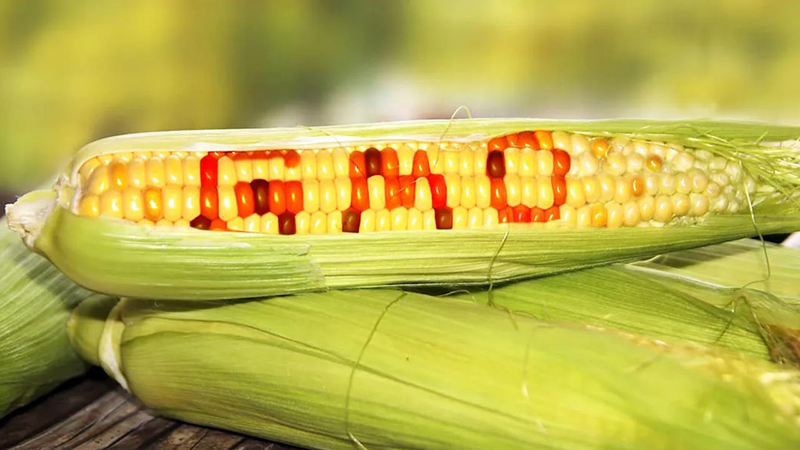
China is accelerating the adoption of domestically developed genetically modified (GM) crops while slowing approvals of foreign-developed biotechnology traits for import. According to China’s Ministry of Agriculture and Rural Affairs (MARA), the area planted with GM corn reached 3.79 mln ha in 2026, while GM soybean cultivation covered 68.7 thsd ha. The figures were presented in a report published by the US Department of Agriculture (USDA) on October 28, 2026. Expanding the use of domestic biotechnology is part of Beijing’s strategy to improve crop yields, strengthen food security and develop the national seed industry.
As of October 2026, China had granted biosafety certificates for commercial production to 40 genetically engineered corn events and 16 soybean events. In addition, nine gene-edited corn events and six gene-edited soybean events had received approval. Recent developments include drought-tolerant GM corn, high-oil GM soybeans and gene-edited waxy corn. Chinese researchers are gradually moving beyond conventional insect resistance and herbicide tolerance toward developing crops with improved agronomic characteristics and added-value traits.
Meanwhile, commercial cultivation of GM soybeans remains considerably less widespread in China than that of GM corn. In particular, Heilongjiang province, the country’s largest soybean-producing region, continues to prioritize conventional soybean varieties. However, GM soybean production results presented at the 2026 National Seed Information Exchange and Trade Fair demonstrated weed-control effectiveness of approximately 95% and average yield increases of 7–8%. These results could encourage Chinese farmers to expand their use of genetically modified seeds.
Despite developing its domestic biotechnology sector, China remains one of the world’s largest importers of genetically modified agricultural commodities. In 2025, the country imported approximately 112 mln tons of soybeans, 2.6 mln tons of corn and 1.1 mln tons of cotton. Major suppliers include the United States, Brazil, Argentina, Canada and India. In addition to grains and oilseeds, China imports soybean and rapeseed oil, feed meals, distillers dried grains with solubles (DDGS) and other processed products. Therefore, the expansion of domestic GM crop production has not yet eliminated the country’s substantial dependence on imported agricultural raw materials.
At the same time, Chinese authorities maintain strict control over the use of foreign biotechnology. According to the USDA, MARA has provided less publicly accessible information on newly issued biosafety certificates since late 2024, reducing transparency in the GM product approval process. Furthermore, China continues to prohibit foreign investment in the breeding of genetically modified crops and the production of their seeds. Meanwhile, Beijing is actively developing gene editing, genomic selection and the application of artificial intelligence in plant breeding research. This policy aims to strengthen the position of Chinese developers and gradually expand the use of domestic biotechnology in agriculture.
Read also
Wheat prices fall amid hopes for progress in talks between the US, Ukraine and Russia
Palm oil prices in China fall 2.2% despite sharp drop in Malaysian production
Wheat, corn and soybeans rose in Chicago on Friday
UN urges US and Iran to reopen Strait of Hormuz for fertilizer shipments amid food...
UK rapeseed plantings set to rise by 28%




Got additional questions?
We will be happy to assist!
Write to us
Our manager will contact you soon