

UN urges US and Iran to reopen Strait of Hormuz for fertilizer shipments amid food crisis fears
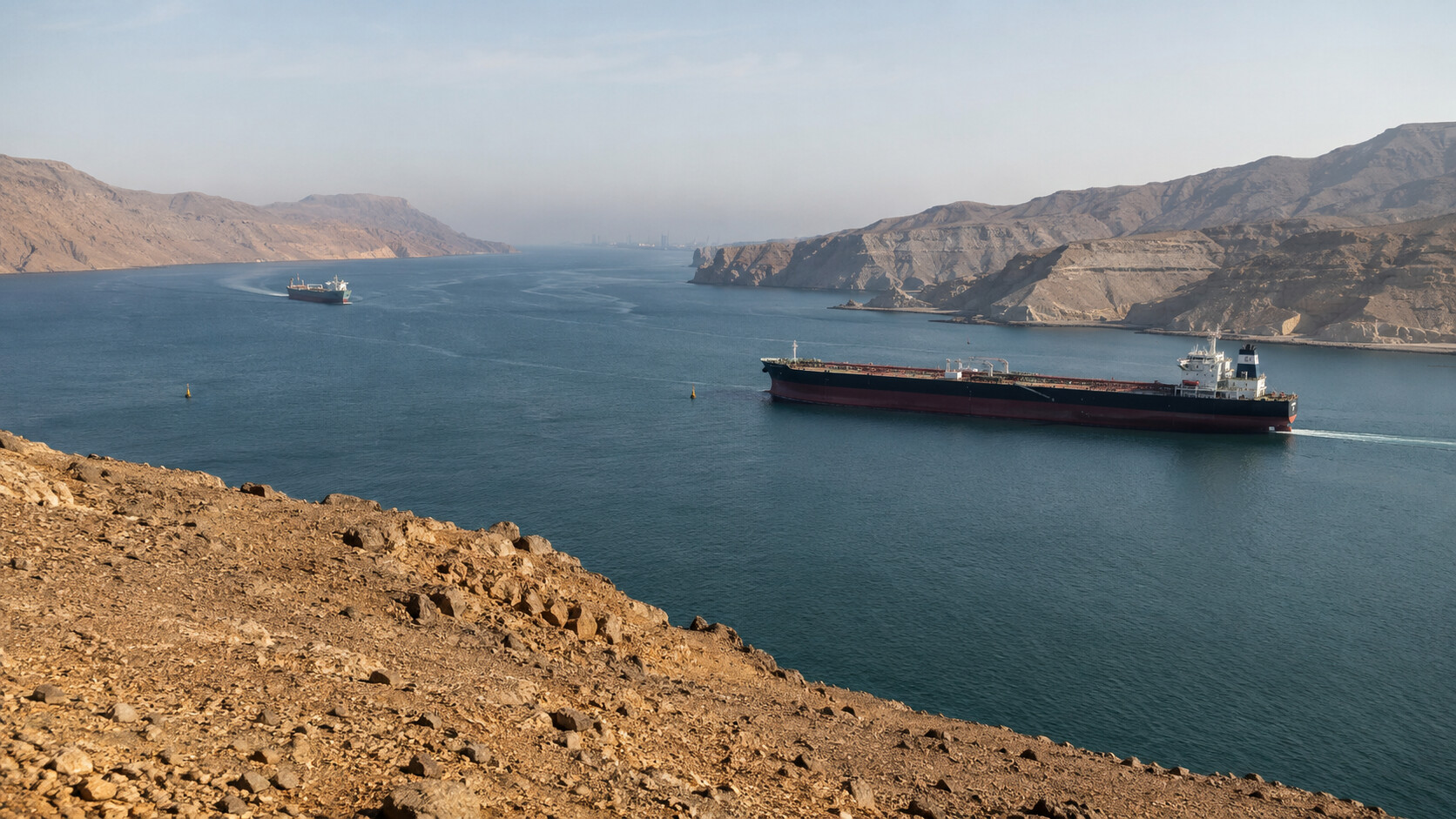
The United Nations has called on the United States and Iran to urgently ensure the safe passage of fertilizer shipments through the Strait of Hormuz, warning that prolonged disruptions threaten the food security of tens of millions of people. Speaking on November 14 at the COP31 climate conference in Antalya, Türkiye, Jorge Moreira da Silva, Executive Director of the United Nations Office for Project Services (UNOPS), said that stabilizing supplies would require at least five vessels carrying fertilizers to pass through the strait each day. According to him, restoring shipments requires an immediate solution, regardless of the progress of negotiations to end the conflict between the US and Iran.
Before the war, approximately one-third of global fertilizer shipments passed through the Strait of Hormuz, making it one of the most important routes for international agricultural trade. Following the outbreak of the conflict in late February 2026, Iran blocked shipping through the strait, while the US blockade of Iranian ports further disrupted maritime trade. According to the UN official, global fertilizer prices have risen by approximately 30% since the blockades began. This has significantly increased production costs for farmers, particularly in countries heavily dependent on imported supplies.
Economically vulnerable countries in Africa and Asia have been hit hardest by fertilizer shortages, including Mozambique, Kenya, Sudan, Somalia, Nepal, Bangladesh and Sri Lanka. According to Moreira da Silva, food prices in Sudan have doubled over the past six months, while some farmers in Nepal can no longer afford to purchase the fertilizers they need. Rising agricultural input costs create a risk of reduced fertilizer application, potentially affecting crop yields and food production in the coming seasons.
The UN warns that further delays in restoring shipments could have catastrophic consequences for global food security. If fertilizer shortages continue to cause farmers in different regions to miss optimal planting windows, up to 45 mln people could face severe and acute food insecurity. Another 30 mln people could be pushed into poverty. A particular concern is that the consequences of insufficient fertilizer application may only become apparent later, during harvest, when it will be difficult to compensate for production losses.
To prevent a crisis, the UN is proposing a special temporary mechanism to ensure the safe transportation of fertilizers through the Strait of Hormuz. Moreira da Silva stressed that the US and Iran should continue negotiations toward a comprehensive settlement of the conflict, but shipments of essential agricultural inputs must resume before a final agreement is reached. According to him, the United Nations has already prepared the necessary mechanism and could begin facilitating shipments within 7–10 days once both sides agree. This would help partially restore international fertilizer trade and reduce the risk of a food crisis in countries most dependent on imports.




Got additional questions?
We will be happy to assist!
Write to us
Our manager will contact you soon