

Can Africa avoid Asia’s palm oil pitfalls?
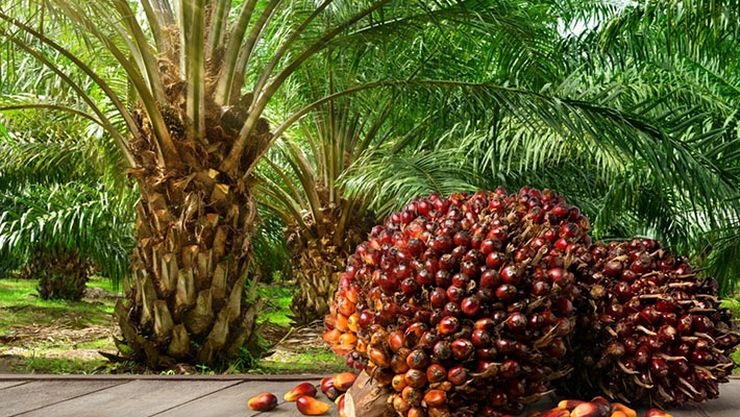
In 1848, Dutch botanists planted oil palm seedlings – a plant native to the forests of western and central Africa – at the Kebun Raya Bogor botanical gardens in Java, modern-day Indonesia. Nearly two centuries later, Indonesia and its neighbours have become the world’s largest producers of palm oil, while Africa is forced to import about half of the palm oil it consumes.
Since the cost of importing palm oil drains foreign currency reserves, many African governments are eager to boost domestic production. Nigeria even banned palm oil imports in 2001, and although the ban was soon reversed, local politicians often call for its reintroduction to protect domestic producers.
However, Asia’s economic boom in palm oil has come at a heavy price: production has been a key driver of deforestation. Indonesia lost 11% of its forest cover between 2001 and 2019, with about one-third of that area taken over by oil palm plantations. If Africa fails to learn from Asia’s mistakes, homeless gorillas and chimpanzees could become the faces of the next anti-palm oil campaign.
Around 70% of African palm oil is grown by smallholders on plots of less than five hectares, often using older, less productive trees. Yields are typically about six tonnes per hectare, compared to more than twenty tonnes on commercial plantations. Elikplim Agbitor, head of Africa at the Roundtable on Sustainable Palm Oil (RSPO), notes that Africa is the new frontier for commercial palm oil expansion, as there is little available land left in Malaysia or Indonesia.
At the same time, the risk of deforestation is lower in the more densely populated parts of West Africa. Florent Robert of Siat Group notes that Ghana and Nigeria have almost no primary forest left, and most land allocated for commodity production tends to be degraded. But in other regions, such as Cameroon and the Congo Basin, demand for local oil could spur the conversion of ancient rainforests into monoculture plantations.
The most sustainable path is to intensify production on already cultivated land. The example of Ghana: the smallholder association GSOPFA achieved yields of 15 tonnes per hectare before obtaining RSPO certification, and after implementing improved practices – 21 tonnes per hectare in 2023. Thanks to certification, farmers receive premium prices, boosting their incomes and livelihoods.
However, the costs of RSPO certification and auditing are prohibitive for individual smallholders. Cooperatives often need external support. Currently, 18.4% of African palm oil is RSPO-certified, but most of that volume comes from large industrial producers. The RSPO’s Smallholder Support Fund provides financial assistance, but much more needs to be done to ensure Africa can increase production of this vital commodity without losing its last great wildernesses. Supporting smallholders is the key to success.
For almost 30 years of expertise in the agri markets, UkrAgroConsult has accumulated an extensive database, which became the basis of the platform AgriSupp.
It is a multi-functional online platform with market intelligence for grains and oilseeds that enables to get access to daily operational information on the Black Sea & Danube markets, analytical reports, historical data.
You are welcome to get a 7-day free demo access!!!
Read also
Romania plans to restrict unscheduled freight train access to Constanta port
Global blueberry market faces tighter supplies and rising prices
China’s used cooking oil exports surge 55%, with Europe becoming the largest...
Kazakh flaxseed prices surge in Europe amid transit restrictions
Global food inflation intensifies amid declining grain shipments and rising logist...




Got additional questions?
We will be happy to assist!
Write to us
Our manager will contact you soon