

Brazil’s wheat imports could reach a record 9 mln tons due to lower domestic production
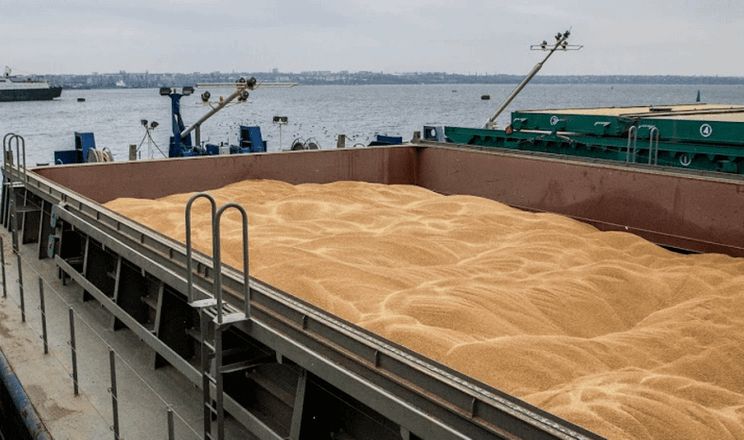
Brazil could increase wheat imports to a record 9 mln tons in the MY 2026/27 amid a significant decline in domestic production. According to the Brazilian Wheat Industry Association (Abitrigo), overseas grain purchases could reach their highest level in 30 years. The main reason for rising import requirements is unfavorable weather in key wheat-growing regions of southern Brazil, which has negatively affected crop yields and grain quality. Abitrigo Executive President Rubens Barbosa made the forecast during an industry congress in Rio de Janeiro on October 22.
According to the association, declining domestic wheat supplies are forcing Brazilian processors to rely more heavily on international markets. The situation is further complicated by fluctuations in global grain prices and rising production costs, which influence farmers’ planting decisions. As a result, wheat cultivation areas remain below the country’s agricultural potential, further limiting prospects for expanding domestic production.
The expected increase in imports could put additional pressure on costs in Brazil’s flour milling industry. Abitrigo warns that the combination of a smaller harvest, more expensive raw materials, and volatile international prices could lead to higher wheat flour prices. This, in turn, would affect the cost of bread, pasta, and other wheat-based products.
Another major challenge for Brazil will be ensuring sufficient logistics capacity to handle record volumes of imported grain. According to Daniel Kümmel, Chairman of Abitrigo’s Deliberative Council, the country has extensive experience importing wheat, but the expected shipment volumes will require much closer coordination among ports, warehouse operators, and processing companies. Importers will also need to secure sufficient working capital and manage foreign exchange risks.
Brazil’s growing import requirements could create additional opportunities for international wheat suppliers and intensify competition in the Brazilian market. However, whether imports reach the projected 9 mln tons will depend on actual domestic production, global market prices, and port infrastructure capacity. For local processors, the key priority will remain securing stable grain supplies while limiting increases in flour production costs.
Read also
Coming Up in UkrAgroConsult Reports: Key Market Signals
Malaysia’s palm oil production is set to decline in November, but high stock...
Quality of Ukrainian milling wheat returns to pre-war levels
High export duties on oilseeds in russia increase pressure on domestic prices
Ukraine and EU discuss expanding agricultural exports and supporting farmers




Got additional questions?
We will be happy to assist!
Write to us
Our manager will contact you soon