

Brazil’s wheat imports could reach 10 mln tons, a 30-year high
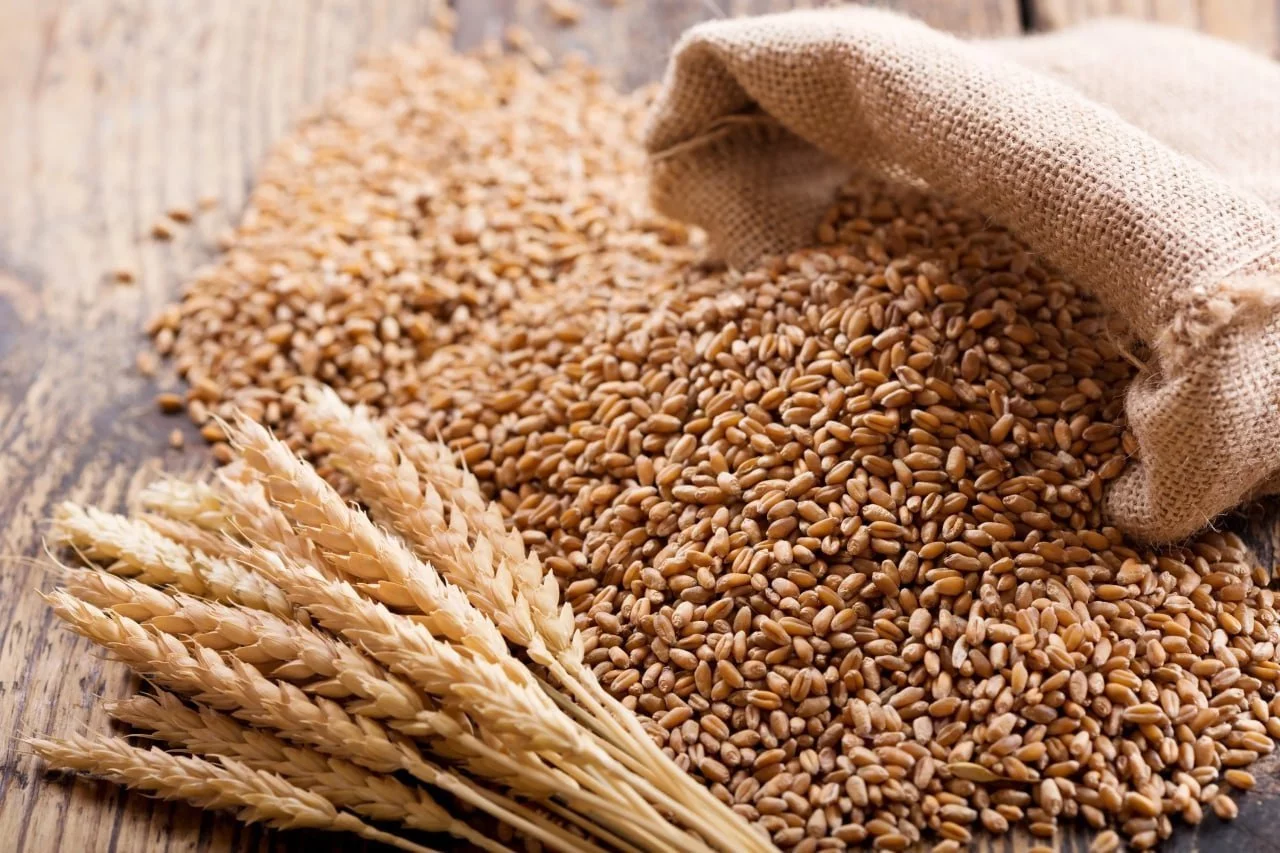
Brazil’s wheat imports could rise to 9.5–10 mln tons in 2027, reaching their highest level in 30 years. The main drivers are declining domestic production and deteriorating grain quality in the country’s key agricultural regions. The forecast was presented by Tito Marquetti Martinho, Senior Director of Wheat Origination and Trading at Bunge Alimentos, during the International Wheat Industry Congress in Rio de Janeiro, Fastmarkets reported.
According to industry experts, Brazil’s wheat production is estimated at around 5.12 mln tons, covering only 36% of domestic consumption. The most challenging conditions are reported in Paraná, Rio Grande do Sul, Santa Catarina and São Paulo. Paraná, in particular, could shift from a wheat surplus of 100 thsd tons to a deficit of 1.85 mln tons. In Santa Catarina, production is estimated at 243 thsd tons, down 37% from the previous season.
Grain quality problems are particularly severe in São Paulo, where prolonged rainfall has damaged crops to the extent that wheat from some areas does not even meet feed-grade requirements. According to industry representatives, the deterioration in crop quality could force the state to import an additional 600 thsd tons of wheat. Meanwhile, an increase in total imports to 10 mln tons would place additional pressure on Brazil’s port infrastructure.
Argentina remains the main wheat supplier to the Brazilian market and is expected to harvest a large crop in the MY 2026/27. The Rosario Board of Trade (BCR) recently raised its production forecast from 21 mln to 23.8 mln tons. However, excessive rainfall, reduced solar radiation and frosts are raising concerns about grain quality. In some areas of Santa Fe, Entre Ríos, Buenos Aires and La Pampa provinces, losses in early-planted wheat fields are estimated at 10–15%.
Further concerns include the spread of fungal diseases due to high humidity and delays to the start of wheat harvesting in northern Argentina. According to the Buenos Aires Grain Exchange, 38.1% of wheat crops were in the flowering and grain-filling stages, when weather conditions are particularly important for crop development. Representatives of Brazil’s milling industry warn that even with strong production in Argentina, insufficient supplies of milling-quality wheat could force Brazil to increase grain purchases from other origins.
Read also
More than 20 thsd freight wagons accumulate at Ukraine’s western rail border...
World Bank forecasts 10% rise in food commodity prices in 2026 amid global risks
Wilmar’s profit falls 25% as soybean crushing margins weaken
China’s corn imports rise to 434 thsd tons in September
Kazakhstan more than halves potato imports while increasing purchases from Egypt




Got additional questions?
We will be happy to assist!
Write to us
Our manager will contact you soon