

Brazil’s soybean exports to decline in 2027 amid rising domestic crushing
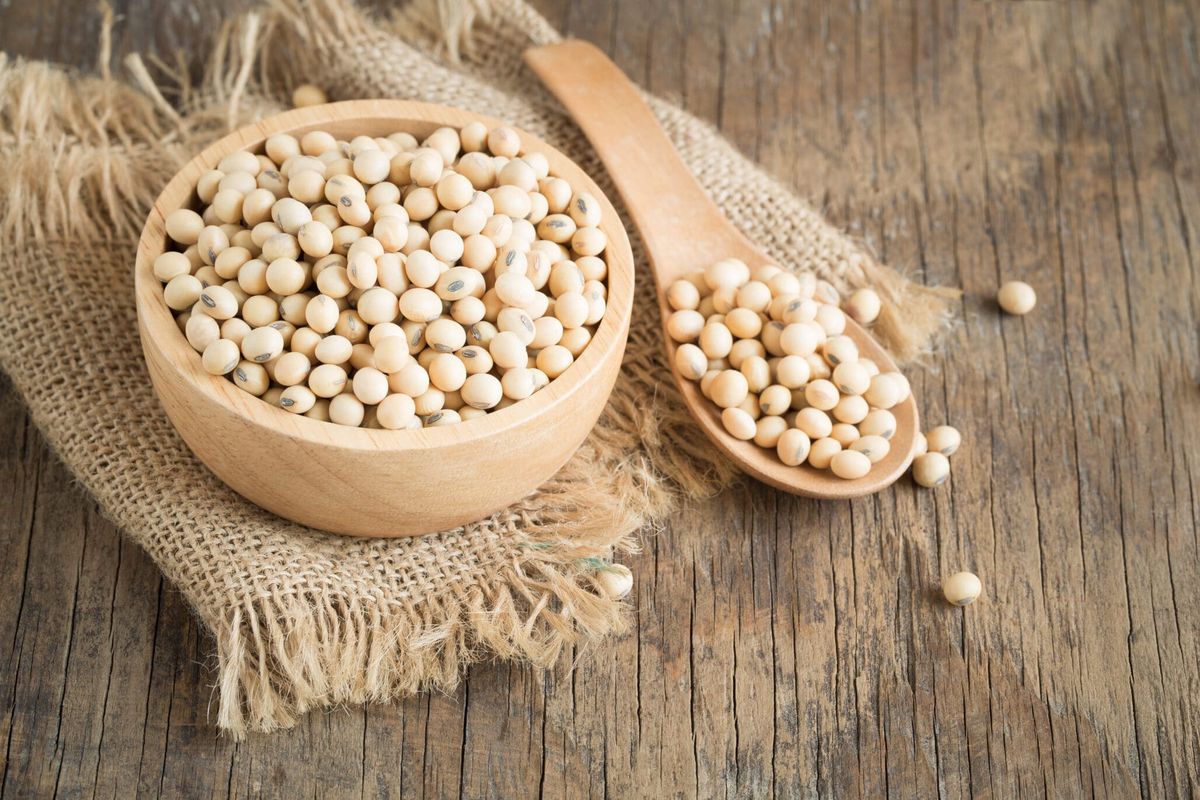
Brazil’s soybean exports could decline by 0.8% in 2027 compared to 2026, reaching 113 mln tons. According to the Brazilian Association of Vegetable Oil Industries (Abiove), the main reason is growing domestic demand for soybeans from crushing plants, which will limit the volumes available for export, particularly to China. Meanwhile, export revenues from the soybean complex could reach a record $69.3 bln, compared to an estimated $60.3 bln in 2026, supported by higher global commodity prices.
Brazil’s soybean crushing volume is forecast to reach a record 66 mln tons in 2027, up 3.8% year-on-year. One of the main drivers will be increasing demand for soybean oil from the biodiesel industry. Abiove’s forecast takes into account a 1 percentage point increase in the mandatory biodiesel blending rate to 16%, starting in March 2027.
Soybean meal production could rise by 3.8% next year to a record 50.8 mln tons. Meanwhile, exports are forecast to increase by 4% to 26.3 mln tons, also setting a new historical high. Expanding crushing capacity will allow Brazil to increase soybean meal shipments to international markets, intensifying competition with other major exporters, particularly Argentina.
Soybean oil production is also expected to set a new record, rising by 3.7% to 13.27 mln tons. However, despite higher output, exports are forecast to decline by 2.6% to 1.9 mln tons. The main reason is increased domestic consumption of soybean oil for biodiesel production, which will reduce the volumes available for international shipments.
Thus, in 2027, Brazil could continue shifting its soybean sector from raw bean exports toward domestic processing and the production of higher-value products. Lower soybean and soybean oil exports will be accompanied by record soybean meal shipments and higher overall export revenues. Brazil is also expected to maintain its position as the world’s largest soybean producer and exporter.
Read also
Malaysian palm oil prices fall amid high stocks and weak demand
US beef trimmings imports rise 22% despite weak demand
Brazil expands corn production but channels more grain into domestic market
Labour shortages and high logistics costs constrain Ukrainian apple exports
EU may increase sugar imports by 48% amid declining domestic production




Got additional questions?
We will be happy to assist!
Write to us
Our manager will contact you soon