

Brazilian flour millers seek high-quality wheat amid problems with Argentine crop
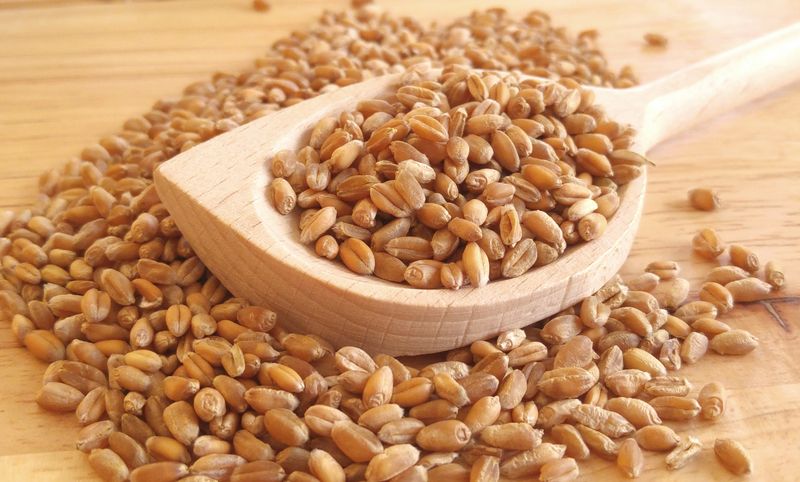
Brazilian flour millers are showing growing interest in purchasing high-quality wheat as the baking characteristics of domestic and Argentine grain deteriorate. According to USDA FAS, a substantial portion of Argentina’s 2025 wheat crop does not meet the requirements of Brazilian mills for bread flour production. Against this backdrop, US exporters are stepping up their efforts in the Brazilian market, offering wheat for blending with lower-quality grain.
Representatives of US Wheat Associates (USW) held discussions with Brazilian processors during the 33rd Abitrigo International Wheat Industry Congress, held on October 21–23 in Rio de Janeiro. The event attracted more than 600 participants, including flour millers, baking industry representatives and grain suppliers. The US delegation presented quality characteristics of the new US wheat crop and demonstrated how it could be used to improve flour blends.
USW is placing particular emphasis on promoting US hard red winter (HRW) wheat, which can compensate for insufficient protein content and inconsistent processing characteristics of wheat from Brazil and Argentina. According to market participants, flour improvers can cost Brazilian processors up to $40 per ton. US exporters are therefore encouraging millers to consider not only the purchase price of wheat but also the total cost of producing flour that meets the required quality standards.
Brazil’s need for high-quality imported wheat is increasing amid declining domestic production. According to USDA FAS, the country’s wheat harvest in 2026/27 could fall by 22.5% to 6.1 mln tons. Meanwhile, imports are forecast to reach a record 7.2 mln tons, up 600 thsd tons from the previous season. Total domestic consumption is estimated at 12.5 mln tons, with Argentina traditionally remaining Brazil’s main foreign wheat supplier.
US exporters emphasize that their goal is not to completely replace Argentine or Brazilian wheat but to expand the use of high-quality US wheat in flour blends. This approach could provide more consistent flour quality and reduce the need for additional improvers. However, further gains for US wheat in the Brazilian market will depend on price competitiveness, new-crop quality and the willingness of local processors to adjust their purchasing strategies.
Read also
Anhydrous ammonia prices in the US rise 17%, urea up 11%
Romania proposes navigable corridor linking the Baltic and Black Seas
Ukraine could regain global leadership in sunflower oil exports
Kernel plans to carry forward nearly $90 mln in profit instead of paying dividends
Africa’s dual-purpose poultry chick market reaches 225 mln birds




Got additional questions?
We will be happy to assist!
Write to us
Our manager will contact you soon