

Brazil to increase animal feed production from corn ethanol to 5.7 mln tons
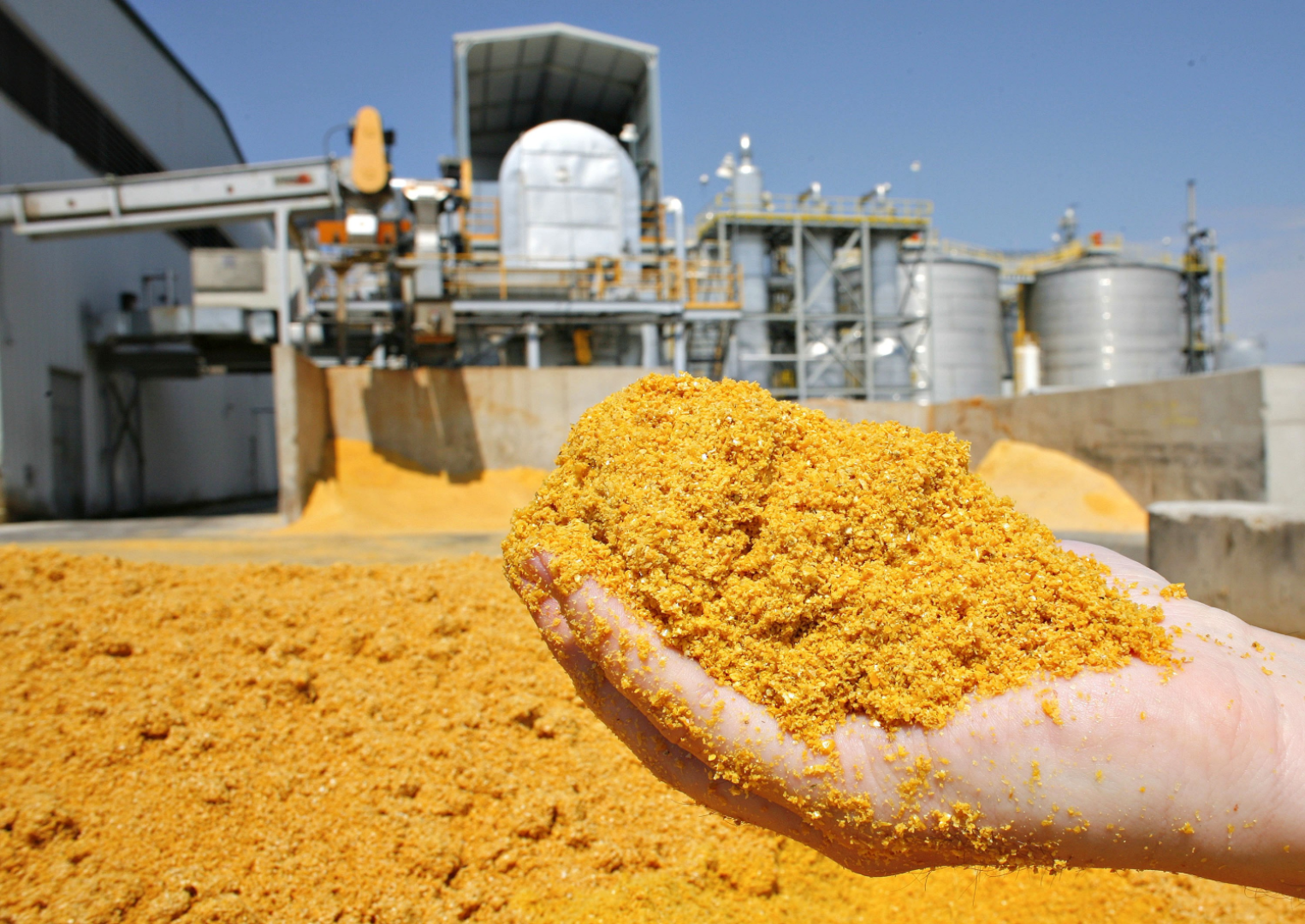
Brazil is experiencing rapid growth in the production of high-protein animal feed products generated during corn ethanol processing. According to the National Corn Ethanol Union (UNEM), output of dried distillers grains (DDG/S) is forecast to reach 5.71 mln tons in the 2026/27 season, compared with more than 4.8 mln tons in the previous season, representing an increase of approximately 19%. By comparison, production stood at just 280 thsd tons in the 2017/18 MY. Thus, Brazil has increased its DDG/S output more than 17-fold in less than a decade.
The expansion of animal feed production is closely linked to the rapid development of Brazil’s corn ethanol industry. Over the past decade, corn ethanol’s share of total ethanol production in the country has grown from virtually zero to more than 25%. Corn processing for biofuel generates DDG/S, a co-product rich in protein and other nutrients that is widely used in animal nutrition. Demand is supported by the expansion of intensive cattle feeding operations, as well as the government’s mandatory 32% ethanol blend in gasoline, which stimulates biofuel production.
Increasing DDG/S availability is contributing to the development of cattle feedlots in Brazil, the world’s largest beef producer. According to DSM-Firmenich, the number of cattle in intensive feedlot operations increased from 4.9 mln head in 2017 to a record 9.25 mln in 2025. The figure could reach 9.78 mln head in 2026. Feedlot cattle accounted for approximately 22% of total slaughter in 2025, compared with around 16% in 2017. Strong export demand for Brazilian beef, particularly from China, remains another important driver of industry expansion.
The production of animal feed co-products also significantly improves the profitability of corn ethanol. According to USDA estimates, sales of DDG/S and other co-products can account for approximately 25% of total revenue at ethanol plants. In July, the break-even production cost of corn ethanol at a plant in Mato Grosso was estimated at 1.84 Brazilian reais ($0.31) per liter, compared with 2.22–2.36 reais per liter for sugarcane ethanol produced in Brazil’s center-south region. Meanwhile, DDG/S typically trades at a 10–20% premium to corn prices due to its high nutritional value.
Brazil currently operates 29 corn ethanol plants, while another 27 facilities are under construction or in the planning stages. FS, one of the industry’s leading producers, generates approximately 2 mln tons of DDG/S annually and plans to increase output to 3 mln tons following the commissioning of two new plants. According to the company, Brazil’s total DDG/S production could double over the next five years, reaching 12 mln tons annually. Further expansion of processing capacity is expected to strengthen domestic corn demand while increasing the availability of high-protein animal feed for the livestock industry.
Read also
Harvest delays and strong export demand support Australian wheat and barley prices
From EU to Central Asia – Where Can the First Alternative Logistics Corridor...
Cucumber prices in Italy, Bulgaria and France hit their highest levels since 2011
IGC raises global grain stocks forecast by 7 mln tons
Ukraine doubles rapeseed meal exports to the EU




Got additional questions?
We will be happy to assist!
Write to us
Our manager will contact you soon