

Brazil aims to meet 100% of domestic SAF demand by 2029
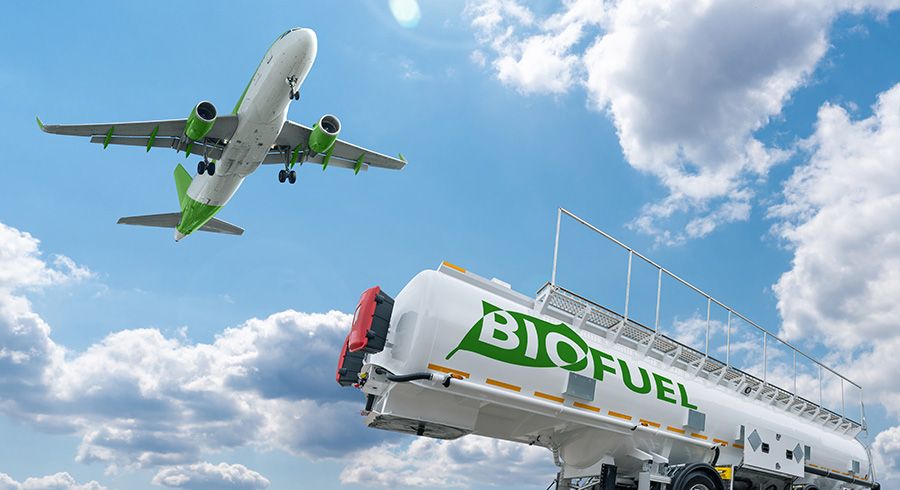
Brazil has officially launched its sustainable aviation fuel (SAF) program, aimed at supporting aviation-sector decarbonization and the development of domestic alternative fuel production. From 2027, airlines will be required to meet mandatory greenhouse gas emission reduction targets, according to USDA.
Brazil currently has no large-scale domestic SAF production, but around 15 projects are under development. Potential feedstocks include sugarcane-based ethanol, vegetable oils and used cooking oil. The government aims to meet 100% of domestic SAF demand through national production by 2029.
One of the projects involves Petrobras, Bunge and Vibra Energia, which plan to produce and commercialize 4 mln liters of SAF using renewable feedstock from certified Brazilian soybeans. Bunge will be responsible for soybean supply, certification and vegetable oil production at its facility in Mato Grosso.
Another major project is being developed by Acelen. In the first phase, the company plans to use soybean oil and used cooking oil, while macaúba palm feedstock is expected to be introduced from 2029. Around 90% of planned first-phase output is already covered by long-term offtake agreements, while $1.5 bln in financing has been secured for construction of a biorefinery in Bahia.
Commercial flights using SAF are already operating in Brazil. At Salvador Airport, two daily flights use a blend of 10% SAF and 90% conventional jet fuel. Total blended fuel supply in 2026 is expected to reach around 5 mln liters.




Got additional questions?
We will be happy to assist!
Write to us
Our manager will contact you soon